Morocco: Towards a National Framework for Measuring the Digital Maturity of Public Administration

Morocco Launches Digital Maturity Assessment Framework for Public Administration
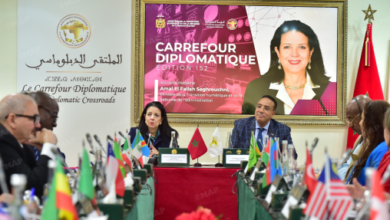
On Wednesday, Amal El Fallah Seghrouchni, the Minister of Digital Transition and Administrative Reform, announced the imminent launch of a unique framework aimed at assessing the digital maturity of Moroccan public administrations during a session at the House of Representatives.
This initiative is designed to equip the administration with a regular evaluation tool, enabling the monitoring of digital performance in public services and supporting their transformation towards more effective and digitized models.
An Evaluation and Self-Diagnosis Platform
According to the minister, this framework will be based on a dedicated digital platform that will allow administrations to conduct periodic self-assessments of their level of digitalization.
The objectives are multifaceted: improve administrative performance, identify the support needs of less advanced structures, and align national standards with international norms regarding digital transformation.
In this context, a second assessment tool for the maturity levels of administrative data registers is being deployed. This aims to enhance the secure sharing of data between administrations, simplify procedures, and improve the governance of public information.
Over 600 Public Services Already Digitized
The minister provided an overview of the development of public digital services, highlighting the strengthening of national platforms, particularly the "Idarati" portal dedicated to administrative procedures and the national framework for digital public services.
Currently, this framework lists over 600 online services, including around 100 specifically tailored for administrations themselves. It also includes the "My Digital Identity" platform, which aims to secure and simplify access to digital public services.
Additionally, the "emploi.ma" platform, modernized in 2025, has enhanced principles of transparency and equity in access to public employment. Between 2019 and 2025, it recorded over 833,000 online applications, covering 115 administrations and 1,348 competitions.
Simplifying Procedures and Achieving Significant Time Savings
As part of the administrative reform, the ministry has adopted a user journey methodology, which has streamlined the number of steps, required documents, and trips necessary for citizens.
This approach has also contributed to reducing processing times and administrative costs. The "Digital Morocco 2030" strategy aims for a 40% simplification rate, a 50% reduction in processing times, and an estimated user satisfaction rate of 80%.
The minister cited concrete results, such as the significant reduction in the time for registering for the free baccalaureate exam, which has decreased from two days to under 20 minutes by eliminating several documents and administrative steps.
Towards a Strengthened Legal Framework for Digital Administration
From a legal perspective, the ministry is working on establishing a regulatory framework that will enhance digital administration. This will facilitate the widespread adoption of electronic documents and procedures, as well as secure data exchange between administrations.
Two draft decrees are in preparation: one concerning the generalization of national digital identity and the other focusing on the opening and governance of public data.
A Reform Aligned with the Recommendations of the Ombudsman Institution
This reform is also aligned with the review of recommendations from the 2024 annual report of the Kingdom’s Ombudsman Institution, which calls for accelerating the digitalization of administration to reduce direct contact, limit corruption risks, and improve the quality of public services.
The report also recommends reducing complaint processing times, strengthening public service continuity, and ensuring better access to administrative services, particularly for vulnerable groups.