Nador West Med: EBRD Increases Its Loan to $135 Million
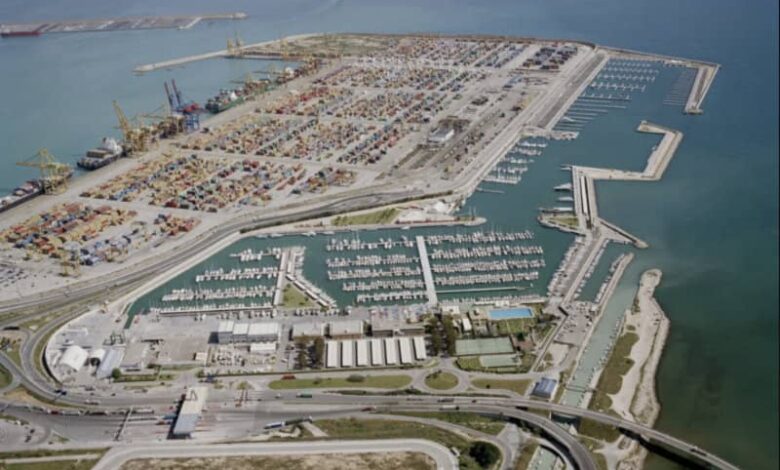
European Bank for Reconstruction and Development Increases Financing Cap for Sustainable Aviation Fuel Plant in Nador West Med
The European Bank for Reconstruction and Development (EBRD) has raised the financing cap for the construction of a sustainable aviation fuel plant in Nador West Med from $105 million to $135 million. This $30 million increase brings the potential loan amount to approximately 1.25 billion dirhams, bolstering the development prospects of this strategically important industrial project for Morocco.
The decision, published on Thursday, October 29, comes two weeks after the initial presentation of the project proposal by the multilateral bank, headquartered in London. As a result, the anticipated financing has increased from 971.47 million dirhams to nearly 1.25 billion dirhams, marking a 28.6% rise.
Revised Financing Envelope
According to the updated project summary, the committed portion remains set at $85 million, while the uncommitted component has increased from $20 million to $50 million. This latter figure accounts for the entire increase announced by the EBRD.
The overall cost of the plant is estimated at $239 million, which is about 2.21 billion dirhams. If the loan reaches its new cap of $135 million, it could cover nearly 56.5% of the total investment. The committed $85 million listed in the financial summary represents approximately 35.6% of the project’s total cost.
The project developer will need to secure the remaining funding from its shareholders or other associated lenders to finalize the financing plan.
Anticipated Decision at EBRD Board Meeting
The project remains in an exploratory phase and is set to be submitted to the EBRD Board of Directors on December 2, 2026. This deadline represents a crucial milestone before a potential loan agreement can be signed, paving the way for the initial disbursements.
As such, the $135 million cap does not yet constitute a finalized financing agreement. The final amount will depend on the bank’s directors’ decisions.
The financial arrangement may also benefit from a contribution of up to $20 million from the Green Climate Fund (GCF), a mechanism established under the United Nations Framework Convention on Climate Change aimed at supporting climate-related investments in the private sector.
Meanwhile, the European Union is expected to get involved through a guarantee from the European Fund for Sustainable Development Plus (EFSD+), associated with the Global Gateway initiative. This arrangement will provide some coverage for first-loss risks, thereby enhancing the protection of other creditors.
The project company, Green Sky Capital Manara, is backed by several international investors. Its shareholders include Green Sky Capital Management, the Qatari conglomerate Al Mana Holding, and Saudi company Vision Invest. The EBRD is anticipated to step in as a senior lender, with guarantees accompanied by collateral.
A Plant Producing 200,000 Tons of Sustainable Fuel Annually
Stretching over approximately 88,000 square meters in the Betoya industrial and logistics zone near Nador, the future facility is expected to have a production capacity of up to 200,000 tons of sustainable aviation fuel per year.
The project will utilize HEFA technology, which stands for Hydroprocessed Esters and Fatty Acids. This process, used to convert biomass feedstocks into fuels, will be implemented under a license from the French group Axens, a subsidiary of IFP Énergies nouvelles specializing in refining technologies.
In addition to aviation fuel, the plant will also produce renewable diesel, bionaphtha, and biopropane. These co-products can be utilized in various sectors, including road transportation, petrochemicals, and gas applications.
Local Raw Materials and a Strategic European Market
The plant’s feedstock will primarily consist of used cooking oils, fats, and other residues collected within Morocco. Imports may supplement national resources when available volumes are insufficient.
Moreover, the project has secured a long-term purchase agreement with a private client, which is crucial for ensuring a portion of the future production’s commercial outlets.
The European market is a key target for this sector. Since 2025, the ReFuelEU Aviation regulation mandates the gradual integration of sustainable aviation fuels into the supply chains of European Union airports. The minimum requirement is set at 2% starting in 2025, increasing to 6% by 2030, 20% by 2035, and reaching 70% by 2050.
In this regulatory context, the Nador West Med project could contribute to the development of a new Moroccan industrial sector focused on low-carbon fuels. The increase in the financing proposed by the EBRD is a positive signal, even as the realization of the loan remains contingent upon the approval of its board of directors.