Pharmasyntez Explores the Moroccan Market: What Are the Prospects for Pharmaceutical Cooperation with Russia?
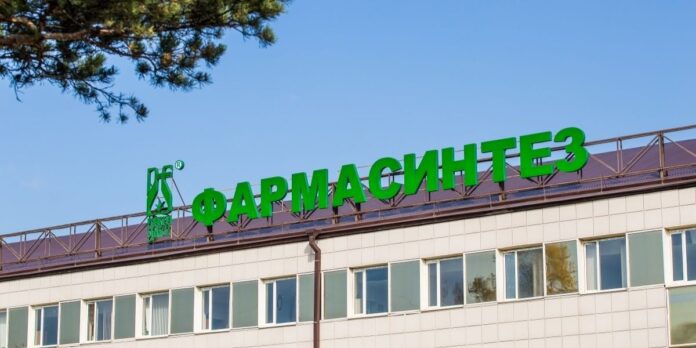
Russian Pharmaceutical Group Pharmasyntez Eyes the Moroccan Market Amid Growing Collaboration with Africa
The Russian pharmaceutical group Pharmasyntez is among the operators interested in the Moroccan market, as part of a broader strategy of cooperation with various African countries. While production projects have been discussed in Algeria and Tanzania, no industrial establishment by the group in Morocco has been announced at this time.
The African ambitions of Russian pharmaceutical laboratories are paving the way for new cooperative opportunities across the continent. Mentioned in November 2026, these initiatives take various forms, ranging from commercial prospecting to local production projects. Within this context, Morocco is one of the markets being explored by Pharmasyntez, although no factory project in the Kingdom has yet been officially confirmed.
This distinction is important, as accessing the Moroccan pharmaceutical market and establishing an industrial unit represent two very different processes. The former requires compliance with applicable regulatory requirements for the concerned medicines, establishing a distribution network, and ensuring continuity of supply.
Conversely, the latter entails a more significant financial and industrial commitment, with production volumes needing to be predictable enough to justify investments in equipment, process qualification, and the sustainable operation of a facility.
Several Possible Forms of Industrial Cooperation
Between the marketing of imported medications and the construction of a factory, several partnership models can be considered. License manufacturing or local packaging are particularly promising avenues that could facilitate progressive industrial cooperation between Russian and Moroccan operators.
However, these different models do not involve the same level of skill transfer or yield the same economic benefits. Packaging, the manufacturing of active ingredients or finished medications, lot control, and process development are distinct activities requiring specific investments and qualifications.
For Pharmasyntez, the challenge lies in identifying products and segments for which cooperation with Moroccan partners could provide sustainable industrial and commercial interest.
A Already Structured Moroccan Pharmaceutical Industry
The Moroccan market has an industrial base capable of fostering such partnerships. In 2024, the national pharmaceutical industry generated a revenue of 30.4 billion dirhams, reflecting an 11.2% increase year-on-year.
This dynamic opens avenues for collaboration with foreign laboratories, particularly through manufacturing agreements, subcontracting, or technology transfers.
For Moroccan companies, the challenge is to determine which products could justify local production, taking into account demand forecasts and commercial opportunities. Such cooperation could also contribute to bolstering national industrial skills, depending on the nature of the activities actually transferred.
Supply Security at the Heart of the Stakes
Beyond commercial prospects, any potential cooperation with Russian laboratories must also be evaluated based on its implications for the Moroccan healthcare system.
The regularity of deliveries, the availability of medications, and the ability to secure supplies are essential criteria for assessing the value of a partnership.
At this stage, several indicators could signal the transition from prospecting to an actual industrial project: the announcement of a timeline, the identification of a Moroccan partner, the selection of relevant products, and the precise definition of operations to be conducted locally.
In the absence of such clarifications, Pharmasyntez’s interest in the Moroccan market reflects potential commercial openness but does not yet allow for a conclusion regarding industrial establishment in the Kingdom.