The Nareva, Kanadevia Inova, and Itochu Corporation consortium has awarded an EPC contract to BUTEC for the landmark Waste-to-Energy project in Casablanca.
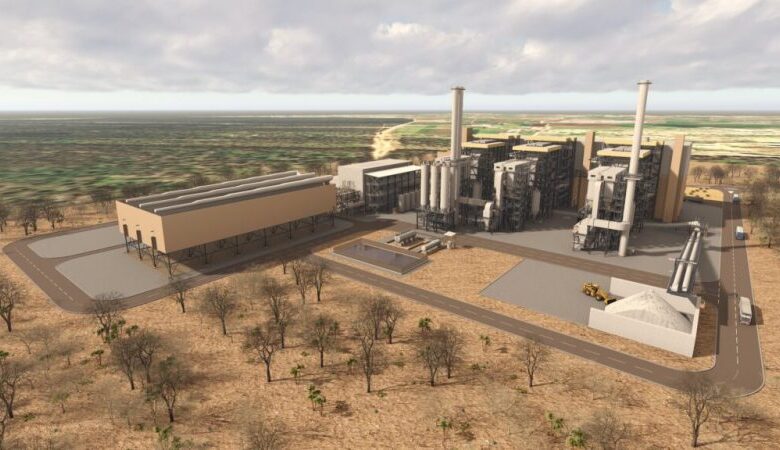
Casablanca Prepares to Modernize Its Waste Management with New Energy Recovery Project
Casablanca is set to take a significant step forward in modernizing its waste management. A major Waste-to-Energy project aims to convert a portion of the metropolis’s non-recyclable waste into energy, gradually reducing reliance on landfills.
Under a 33.5-year concession agreement with the Casablanca municipality, a consortium comprising Nareva, Kanadevia Inova, and Itochu Corporation has awarded BUTEC an EPC (Engineering, Procurement, and Construction) contract for this strategic facility.
The project is designed to support Casablanca’s transition to a more sustainable and circular waste management model.
1.5 million tons of waste processed annually
The future facility will be constructed northwest of the Médiouna landfill in the Casablanca-Settat region. It is intended to process approximately 1.5 million tons of non-recyclable solid waste each year. The goal is to divert this waste from landfills and utilize it as a source of energy.
With such capacity, this project is among the key infrastructures intended to meet the needs of an urban area serving over 4.2 million residents in Greater Casablanca. This approach is expected to alleviate pressure on waste storage capacity and enhance the management of household waste and similar materials.
An electrical output of 126 MWe
Beyond waste treatment, the facility will have an energy production purpose. The process is set to generate a stable electric output of up to 126 MWe, thus transforming a portion of non-recyclable waste into a valuable energy source.
This initiative aligns with a dual approach combining sustainable waste management with energy transition, with the ambition to valorize a resource that has primarily been destined for landfill.
Up to one ton of CO₂ avoided per ton of waste
Environmental impact is also one of the project’s key challenges. By diverting waste from landfills and converting it into energy, the facility is expected to prevent the emission of up to one ton of CO₂ equivalent for every ton of waste processed.
This reduction in emissions will contribute to Morocco’s decarbonization goals while promoting a more circular economy approach. Consequently, the project aims to elevate Casablanca’s waste treatment and valorization standards to international levels.
BUTEC Takes Charge of Major Construction Works
As part of the contract, Kanadevia Inova, a Swiss specialist in waste energy recovery and renewable gases, will be responsible for the EPC of the technological scope and the "process" aspect of the facility. The company will also provide long-term support for operation and maintenance, as well as the financing of the installation.
Meanwhile, BUTEC will handle all civil engineering works for the project, including the EPC of associated buildings and facilities. Their responsibilities encompass civil, structural, architectural, mechanical, electrical, and plumbing (MEP) works, as well as the external infrastructure necessary for the site’s operation.
International Expertise Supported by Local Skills
For BUTEC, this allocation marks a new step in its growth in Morocco and within the environmental and energy infrastructure sector. The company aims to leverage the historical presence of its specialized subsidiaries in the Kingdom along with its expertise in electromechanical solutions and engineering.
Raymond Daou, SVP of Strategy & Business Development at BUTEC, emphasizes the group’s commitment to enhancing its contribution to Morocco’s sustainable development ambitions. He believes that the execution of several consecutive projects in this domain will further solidify BUTEC’s positioning as a general EPC contractor in this strategic sector.
Casablanca Accelerates Its Transition to Circular Waste Management
With this new infrastructure, Casablanca is looking to evolve its waste management model, placing greater emphasis on valorization rather than mere disposal. The project addresses multiple issues: reduction of waste volumes sent to landfills, electricity production, decreased greenhouse gas emissions, and improved environmental infrastructure.
For the Casablanca-Settat region, the challenge is also to establish an infrastructure capable of supporting the metropolitan urban and population growth. Ultimately, the transformation of 1.5 million tons of non-recyclable waste into energy per year could mark a major turning point in Casablanca’s waste management policy and contribute to Morocco’s energy transition and decarbonization objectives.