TGV Marrakech–Agadir: The Project Enters a Key Phase for Funding Mobilization
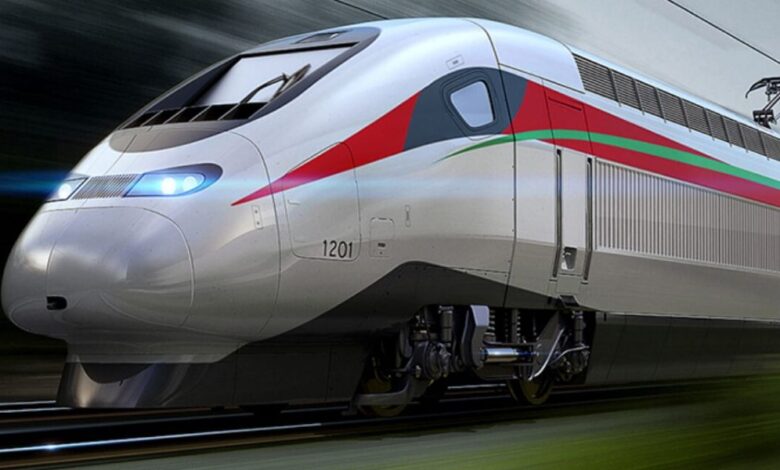
High-Speed Rail Project Connecting Marrakech to Agadir Advances with Funding Initiatives
The high-speed rail project linking Marrakech to Agadir has reached a new milestone, with the initiation of efforts to secure financing from international partners. This development signifies progress in preparations for one of the most significant railway projects set to unfold in Morocco over the coming years.
According to available information, the overall cost of the project is estimated at nearly 55 billion Moroccan dirhams. This future infrastructure aligns with the national strategy for modernizing transport and expanding the high-speed rail network.
A Strategic Axis for the Southern Region
The upcoming TGV line is expected to serve as a key leverage point to enhance connectivity between the center and the south of Morocco. By significantly reducing travel time between Marrakech and Agadir, the project aims to improve traveler mobility while facilitating economic and commercial exchanges.
Moreover, this new connection is anticipated to support tourism development and boost the attractiveness of the Souss-Massa region for both national and international investors.
Ongoing Studies
At this stage, the project remains in the technical and financial study phase. Authorities are continuing to assess various implementation scenarios and structure the necessary financial arrangements for its realization.
No official commencement date for the construction work has yet been announced. However, securing financing is a critical step that confirms the gradual advancement of this strategic project, poised to sustainably transform Morocco’s railway landscape.
A Project at the Heart of Morocco’s Vision 2030
The Marrakech-Agadir TGV fits within the scope of major infrastructure projects initiated by the Kingdom in anticipation of the 2030 World Cup. It is expected to enhance territorial integration, improve the economic competitiveness of the southern regions, and support the growth of passenger traffic in the years ahead.