Morocco Ranks Among the Top 4 Investment Destinations in Africa
Morocco Confirms Its Rise as an Attractive Destination for Investors in Africa
Morocco is solidifying its position as one of the most appealing destinations for investors in Africa. According to the 2026-2027 ranking by Rand Merchant Bank (RMB), featured in its report “Where to Invest in Africa,” the Kingdom now holds the fourth place on the continent, surpassing South Africa, which has dropped to fifth.
This advancement reflects an improvement of one position from the previous edition. The Seychelles, Mauritius, and Egypt retain the top three spots in the ranking. Morocco’s performance is attributed to its industrial transformations, the diversification of its exports, and significant investments in infrastructure.
A Ranking Based on 20 Indicators
The RMB report assesses 31 African economies based on 20 indicators grouped into four main categories: economic performance and potential, market access and innovation, investment climate, and social and human development.
Morocco’s fourth position is indicative of a positive overall evaluation of its economic environment and capacity to attract investors. However, this ranking does not directly correspond to the volume of foreign investments actually made in the Kingdom; rather, it serves as a comparative measure of its attractiveness.
Industry and Exports Fuel Progress
The industrial transformation that Morocco has undertaken in recent years is among the key factors explaining this evolution. The automotive, aerospace, electronics, and agri-food sectors have significantly strengthened the Kingdom’s productive base and diversified its international markets.
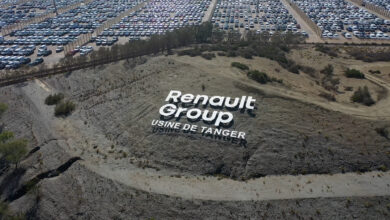
The automotive sector is particularly noteworthy in this dynamic, with the presence of international manufacturers such as Renault and Stellantis, along with a network of component suppliers and subcontractors. The growth of this industry has solidified Morocco’s position as a production and export platform, especially targeting European markets.
The Tanger Med port complex also plays a crucial role in this strategy. Associated with the industrial and logistics zones that have developed around it, it facilitates international trade and enhances the integration of Moroccan companies into global value chains.
Infrastructure Enhances the Kingdom’s Attractiveness
Investments in transportation, logistics, and energy infrastructure represent another pillar of Morocco’s strategy. Port projects at Nador West Med and Dakhla Atlantique, along with the development of railway networks, are part of the country’s aim to bolster connectivity with Europe, Africa, and international markets.
Additionally, the energy transition is an attractive factor for industrial investors. The development of renewable energies specifically caters to companies seeking to reduce their carbon footprint and secure their energy supplies.
Geographical proximity to Europe and trade agreements with various partners also contribute to making Morocco a production and access platform for different markets.
The Challenge of Transforming Attractiveness into Sustainable Jobs
Despite this upward movement in RMB’s ranking, the challenge for the Moroccan economy extends beyond merely attracting capital. The central issue is to transform these investments into tangible benefits for the national economic fabric, particularly in terms of skilled job creation, value addition, and the development of local businesses.
Strengthening ties between large international groups and Moroccan small and medium-sized enterprises (SMEs) is an essential lever in this context. Improving technical skills, professional training, innovation, and access to financing can also enhance the integration of national players into production chains.
The geographical distribution of investments poses another challenge. While several major industrial hubs concentrate a significant portion of activity, other regions still have development opportunities that could contribute to more balanced growth.
Thus, Morocco’s fourth place in RMB’s 2026-2027 ranking confirms its progress in terms of economic attractiveness. The next challenge will be to convert this position into productive investments, sustainable jobs, and value creation that is more deeply embedded in the national economy.