FAO: Morocco Enhances Its Agricultural Production but Remains Dependent on Food Imports
Morocco’s Agricultural Progress and Ongoing Challenges
Morocco continues to make strides in its agricultural production, but it remains heavily reliant on international markets to meet a significant portion of its food needs. This insight comes from a recent analysis by the Food and Agriculture Organization (FAO) of the United Nations, which highlights the advancements made by the Kingdom alongside the persistent challenges concerning food security.
According to FAO data, national agricultural production has seen positive developments over recent years, thanks to investments in infrastructure, the modernization of agricultural sectors, and development programs aimed at enhancing the industry. This momentum has led to improved yields across various crops and strengthened certain agricultural value chains.
Growing Agricultural Production
The efforts undertaken through national agricultural strategies have contributed to increased production across several agricultural products. The development of irrigation, modernization of farms, and the introduction of new production techniques have significantly improved the sector’s performance, even amidst challenging climatic conditions.
As a result, Morocco has successfully solidified its position as one of Africa’s leading agricultural producers, particularly in sectors such as fruits, vegetables, and high-value crops intended for export.
Persistent Dependence on Imports
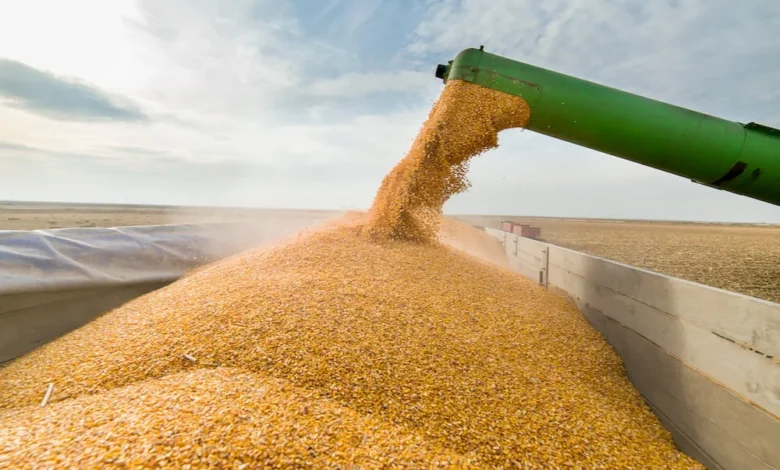
Despite these advancements, the Kingdom remains highly dependent on imports for several strategic products, notably grains, vegetable oils, sugar, and certain staple foods.
This dependence is largely attributed to climatic constraints, the frequency of drought episodes, and the limited water resources that routinely affect national agricultural production. Consequently, fluctuations in prices on international markets continue to have a direct impact on the country’s procurement costs and the balance of its food trade.
The Challenge of Food Security
The FAO emphasizes that food security relies not only on increasing domestic production but also on enhancing the resilience of the agricultural sector in the face of climate change. In this context, Morocco is ramping up investments in water resources, seawater desalination, smart irrigation, and the adaptation of agricultural production systems to new climatic realities.
These initiatives aim to gradually reduce the country’s vulnerability to weather-related disruptions while ensuring a stable food supply for the population.
Towards More Resilient Agriculture
Confronted with challenges stemming from water scarcity and global market volatility, Morocco continues its strategy of agricultural modernization and diversification of supply sources. The goal is to strengthen the Kingdom’s food sovereignty while maintaining the competitiveness of its agriculture and its capacity to meet the growing needs of the population in a context shaped by climate change and international market tensions.