Sustainable Cities: Morocco Invests in Innovation and Artificial Intelligence to Transform Its Infrastructure
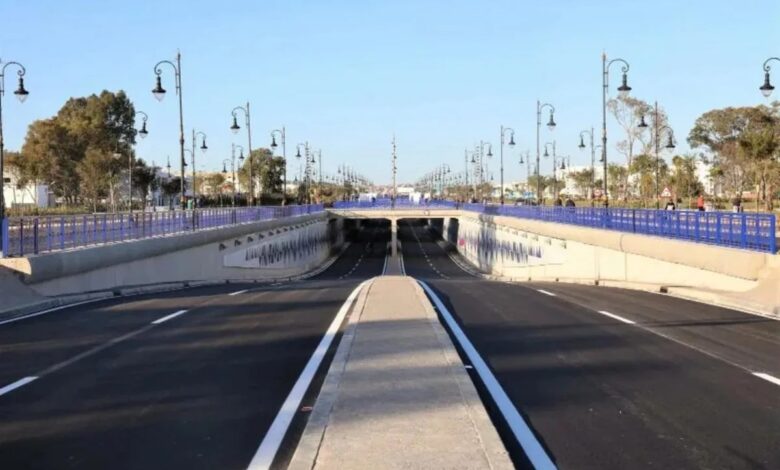
The transition to sustainable cities has become a strategic issue for Morocco. During the third edition of the International Congress on Sustainable Buildings and Cities (BVD’26) held in Fez, experts, academics, and decision-makers emphasized the importance of modernizing urban infrastructures to enhance the Kingdom’s competitiveness, while integrating artificial intelligence and innovative technologies to support sustainable development.
Transforming Cities at the Heart of Priorities
In the face of accelerated urbanization and challenges related to climate change, modernizing infrastructures is now a crucial lever for supporting Morocco’s economic growth.
This theme was at the core of the discussions at the third edition of the International Congress on Sustainable Buildings and Cities (BVD’26), organized on June 25 and 26 in Fez by UPF University, in partnership with Sidi Mohamed Ben Abdallah University (USMBA) and Moulay Ismaïl University (UMI).
The event brought together researchers, public officials, and international experts to explore new urban development models that reconcile economic performance, environmental resilience, and technological innovation.
Building Smarter and More Resilient Cities
At the opening of the congress, Mohammed Aziz Lahlou, president of UPF University, reminded attendees that sustainability is now a necessity for addressing climate, energy, and social challenges.
He also highlighted the EDGE Advanced certification obtained by the institution, a first in Morocco, showcasing the importance of promoting intelligent, energy-efficient, and environmentally friendly buildings.
The discussions underscored that scientific research and innovation must now be fully integrated into public policies to accelerate the transition to sustainable cities.
Artificial Intelligence for Ecological Transition
Speakers placed significant emphasis on the role of artificial intelligence in transforming infrastructures.
Through predictive analytics and data optimization technologies, AI can improve the energy performance of buildings, better manage natural resources, and enhance the resilience of areas vulnerable to climate risks.
These innovations have become a key lever for facilitating the transition to a low-carbon economy.
Modernizing Infrastructures to Support Competitiveness
Experts also stressed the need to support Morocco’s industrial performance with continual modernization of its urban infrastructures.
According to Mohamed Belkasmi, dean of the Faculty of Sciences Dhar El Mahraz, this evolution requires the adoption of international standards in sustainable construction, responsible resource management, and the integration of new technologies.
The congress also addressed several strategic themes such as smart infrastructures, cybersecurity, Industry 5.0, and the preservation of built heritage.
Fez: A Showcase of Urban Innovation
The city of Fez was presented as a concrete example of urban transformation.
As the winner of the Bloomberg Philanthropies Mayors Challenge 2026, the spiritual capital was recognized for its smart waste management project, which relies on real-time data utilization and citizen participation in recycling.
This initiative demonstrates the potential of digital technologies to enhance public services, promote a circular economy, and reduce the environmental impact of municipalities.
Scientific Research Serving Public Policies
The congress also highlighted the dynamism of Moroccan research in sustainable construction and urban innovation.
According to the organizers, over 80 scientific communications were chosen following a rigorous selection process. Some of this work will be published in specialized journals to transform research results into concrete solutions that aid public policies and the development of tomorrow’s Moroccan cities.