Fintech Booster: The Morocco Fintech Center Accelerates Financial Innovation with 21 Promising Startups
Morocco Fintech Center Unites Key Players at Fintech Booster Demo Day
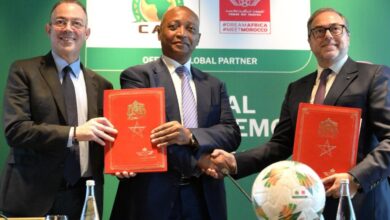
On June 30, the Morocco Fintech Center (MFC) convened the main actors of Morocco’s financial and technological ecosystem in Rabat for the Demo Day of its Fintech Booster program. This event marked the culmination of eight weeks of intensive support tailored for innovative startups operating within the realm of financial technology.
The event provided an opportunity for selected startups to present their solutions to a diverse audience of investors, financial institutions, regulators, and innovation partners, further underscoring the rise of the fintech ecosystem in Morocco.
A Program Designed to Accelerate Fintech Startups
The Fintech Booster program enjoyed significant interest, receiving 117 applications, from which 21 startups were selected to join this new cohort.
Over the span of eight weeks, entrepreneurs received comprehensive support that included personalized coaching, specialized training sessions, practical workshops, mentorship, networking opportunities with key industry players, and post-program assistance.
Participants were predominantly from Morocco (78%), with 22% based abroad, particularly in Paris and Montreal, showcasing the involvement of the diaspora in the development of Moroccan fintech.
An Encouraging Assessment for Young Enterprises
Presented by Mustapha Lahlali, Executive Director of the Morocco Fintech Center, the program’s assessment highlighted significant results.
The startups benefitted from:
- 230 hours of individual coaching
- 40 hours of group training and experience sharing
- 8 hours dedicated to artificial intelligence and rapid prototyping
The program also facilitated connections within the ecosystem through 57 B2B meetings, 27 sessions with regulatory authorities, and the engagement of 32 partner institutions.
Initial indicators reflect the maturity of the projects supported. All startups now have an operational Minimum Viable Product (MVP), while five projects have already begun their regulatory procedures.
Moreover, over 12 commercial agreements have been signed or are in the final stages with banks, financial institutions, and large companies, with four solutions already in the commercialization phase.
Bank Al-Maghrib Calls for Accelerated Digital Transformation
Present at the Demo Day, Abderrahim Bouazza, Director General of Bank Al-Maghrib, emphasized that developing fintechs is a key lever in the Morocco 2030 strategy, which aims to position the Kingdom as a regional hub for digital innovation.
He stated that the financial sector must take a leading role in this transformation while addressing several persistent challenges: the importance of cash circulation, low utilization of electronic payment methods, disparities in financial inclusion—particularly in rural areas and among women—and the growing risks associated with cybersecurity.
The central bank official also highlighted recent reforms, including the licensing of new payment institutions, the development of mobile payments, the relaxation of regulatory frameworks, and ongoing work related to Open Banking, which aims to foster the emergence of innovative financial services.
Ongoing Support After Demo Day
The Demo Day does not signify the end of the program. The Morocco Fintech Center has established a monitoring system to support each startup in its development phase.
Each company will benefit from four individualized coaching sessions, jointly led by a MFC advisor and an INSKIP coach.
Monthly sessions will focus on legal and regulatory matters, product development, and fundraising to complement this support.
In conclusion, all startups will reconvene on September 29, 2026, for a closing meet-up aimed at reviewing progress and strengthening synergies among various ecosystem players.
Through Fintech Booster, the Morocco Fintech Center reaffirms its commitment to nurturing a new generation of fintechs capable of driving the digital transformation of the Moroccan financial sector and enhancing the Kingdom’s competitiveness in the digital economy.