
Electrical Link South-Center: ONEE Initiates Geotechnical Studies for Future 3 GW Corridor
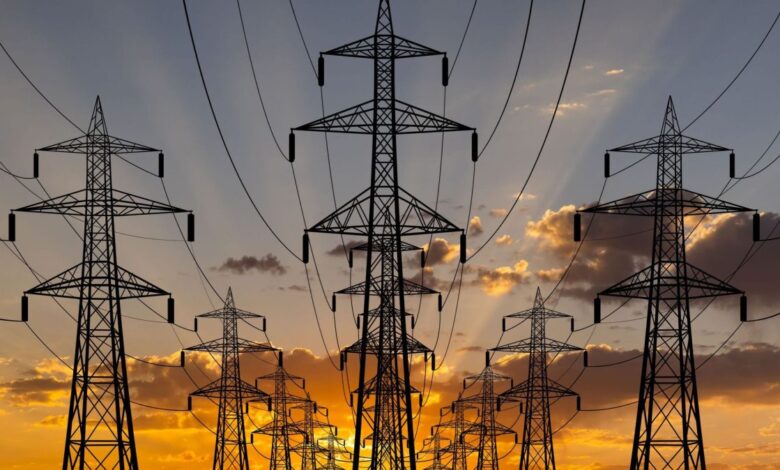
ONEE Advances South-Central Electrical Link Development
The National Office of Electricity and Drinking Water (ONEE) is moving forward with the development of the future South-Central electrical connection by launching geotechnical studies for this strategic infrastructure. This high-voltage direct current (HVDC) project will link Oued Lakraa in the southern provinces to Médiouna, near Casablanca, covering a distance of approximately 1,440 kilometers.
Designed to transport up to 3 gigawatts (GW) of electricity, this connection is one of the most ambitious projects in the national energy transmission network. The studies initiated will analyze soil characteristics before design and construction work begins.
Two Phases of Studies to Secure the Project
The program, led by ONEE’s Directorate of Direct Current Connections and International Interconnections, will be carried out in two phases.
The first phase will involve the two future conversion stations located in Oued Lakraa and Médiouna, each encompassing an area of about 18 hectares. This phase is expected to be completed within one month.
The second phase will focus on the entire electrical corridor, divided into three sections: Oued Lakraa–Tan-Tan (550 km), Tan-Tan–Marrakech (576 km), and Marrakech–Médiouna (312 km). Geotechnical investigations on these sections are anticipated to take a period of four months.
Essential Analyses Before Construction
Technical teams will conduct a detailed reconnaissance of the terrain based on available topographical and geological data, followed by a drilling campaign along the route.
The investigations will measure several essential parameters, including soil cohesion, mechanical resistance, internal friction angle, and electrical resistivity. Additional drilling may be conducted in areas with particular geological characteristics.
The goal is to identify any potential risks of subsidence, erosion, landslides, or scouring in order to adapt the design of the foundations for the pylons and conversion stations accordingly.
A Crucial Infrastructure for Energy Transition
The future HVDC link will play a central role in the development of Morocco’s electrical system. It will facilitate the transport of electricity generated in the southern provinces, where major wind and solar projects are concentrated, to the main consumption centers in the Kingdom.
By enhancing electricity transport capacity between the South and the Center, this infrastructure will contribute to improving the stability of the national grid, support the massive integration of renewable energies, and bolster Morocco’s ambitions in energy transition.
A Structural Project for the National Electric Network
Beyond its technical significance, the Oued Lakraa–Médiouna link represents a strategic investment aimed at preparing for the Kingdom’s future energy needs.
The results of the geotechnical studies will provide the foundation for the upcoming engineering phases, defining the most appropriate foundation solutions to ensure safety, durability, and performance for this electrical highway, which is set to become an essential link in the national grid.