Morocco: Oil Imports Increase by 9% in 2026
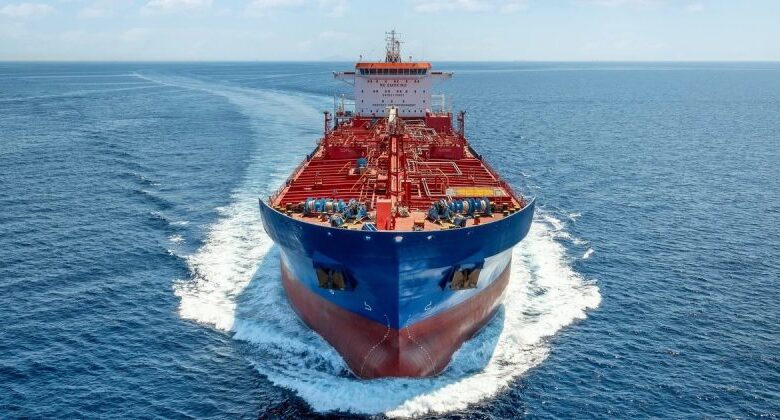
Morocco’s Oil Product Maritime Imports Increase by 9% in 2026
Moroccan maritime imports of petroleum products have increased by 9% during the first nine months of 2026, reaching an average of 271,000 barrels per day. This growth is accompanied by changes in supply chains, particularly marked by the rising prominence of the United States among the Kingdom’s suppliers.
In an international landscape characterized by volatility in energy markets and geopolitical uncertainties, securing hydrocarbon supplies remains a critical challenge for the Moroccan economy. Transportation, industry, agriculture, and logistics are among the sectors most affected by price fluctuations and fuel availability.
9% Increase in Oil Product Imports
From January to September 2026, the volume of petroleum products transported by sea to Morocco averaged 271,000 barrels per day, reflecting a 9% rise compared to the same period in 2025.
This increase underscores the persistent importance of hydrocarbons in the functioning of the national economy. Despite the development of renewable energy sources, fuels continue to play an essential role in the transportation of goods, industrial activities, and logistical operations.
However, the increase in imported volumes does not necessarily indicate that national consumption has risen by the same proportions. Variations in stock levels, delivery schedules, and changes in operators’ purchasing strategies can also affect the quantities transported by sea.
Nonetheless, these import trends serve as a crucial indicator for monitoring the Kingdom’s energy needs and understanding the constraints faced by economic players.
The United States Gains Ground Among Morocco’s Suppliers
The rise in oil imports is accompanied by a diversification of supply sources, with the United States increasingly occupying a significant position.
Several factors contribute to this evolution, including competitive pricing in international markets, the availability of petroleum products, and the commercial strategies of importers. Diversifying suppliers enables operators to have more options for securing their purchases and adapting to fluctuations in global supply.
In an environment marked by geopolitical tensions and uncertainties in energy markets, having multiple sources of supply serves as a way to mitigate exposure to disruptions that could affect certain trade routes or suppliers.
However, the evolution of trade partnerships alone does not suffice to assess Morocco’s energy security. It also depends on storage capacities, port infrastructure, delivery reliability, and cost management of supplies.
Energy Costs Remain a Challenge for Competitiveness
Fluctuations in oil prices have direct repercussions on the costs borne by Moroccan businesses. Road transport, goods distribution, and several industrial activities are heavily dependent on fuel availability.
An increase in international oil prices can, therefore, raise logistical costs and impact companies’ profit margins, potentially affecting the prices of numerous goods and services.
For economic operators, visibility on supply conditions and price trends is vital for planning investments and managing expenditures.
Controlling the energy bill is also a macroeconomic challenge, as imports of petroleum products weigh on the Kingdom’s import balance and make the economy sensitive to global price fluctuations.
Energy Transition: Morocco Faces a Long-Term Challenge
In parallel to its hydrocarbon needs, Morocco continues to develop its electricity generation capacity from renewable sources, particularly solar and wind energy.
This orientation contributes to diversifying the national energy mix and gradually reducing dependence on fossil fuels for electricity production. However, decreasing imports of petroleum products also hinges on developments in mobility, transportation electrification, energy efficiency, and the needs of various economic sectors.
Enhancing storage infrastructure and improving port facilities can also help secure supplies and better absorb demand variations.
The challenge, therefore, is to meet immediate energy needs while preparing for a gradual transformation of the national energy model.
Securing Supplies and Reducing External Dependence
The 9% increase in maritime imports of petroleum products during the first nine months of 2026 highlights the significance of hydrocarbons for the Moroccan economy. It also underscores the need to balance the continuity of supplies, cost management, and energy source diversification.
In the medium term, a combination of a diversified supply strategy, appropriate storage capacities, and investments in energy efficiency could help bolster the resilience of the national economy.
For Morocco, energy security thus rests on two complementary priorities: ensuring the availability of the necessary products for the functioning of the economy and accelerating the transition towards a system less exposed to fluctuations in international markets.