Aerospace: Morocco Aims for New Heights in Exports
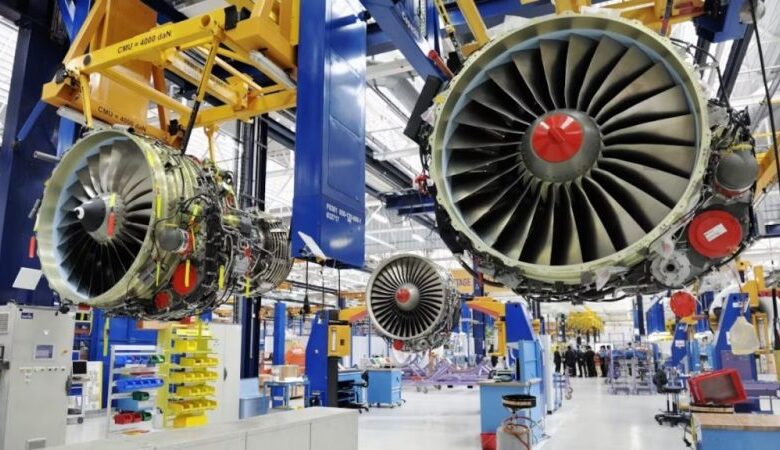
Morocco’s Aerospace Industry Sets Ambitious Growth Targets
With nearly 160 companies and approximately 25,000 jobs, Morocco’s aerospace industry is gearing up for significant advancement. The Kingdom aims to enhance its production capabilities, attract more investments, and develop high-value-added activities, with a target of boosting exports by $3 to $5 billion over the next three years.
Morocco’s Aerospace Industry Confirms Its Growth
The aerospace sector is steadily emerging as one of the pillars of Morocco’s industrial transformation. Over the past two decades, the Kingdom has cultivated a specialized ecosystem that encompasses companies operating across various segments of the production chain, including component manufacturing, structures assembly, electrical wiring, precision mechanics, and engineering.
This evolution is built upon a strategy that combines foreign investment attraction, industrial infrastructure development, and workforce training tailored to the sector’s needs. It has enabled Morocco to cement its integration into the value chains of major international manufacturers and suppliers.
With around 160 companies and nearly 25,000 jobs, the aerospace sector is a significant player in the national economy. It contributes to the development of specialized technical careers and promotes the dissemination of rigorous industrial standards within the production fabric.
Aerospace companies must adhere to strict regulations regarding quality, safety, traceability, and delivery timelines. Mastery of these requirements is crucial for access to international markets and participation in the programs of leading clients.
Export Growth on the Horizon
One of the stated goals for the sector is to increase aerospace exports to between $3 and $5 billion within the next three years. This ambition reflects Morocco’s intent to strengthen its foothold in a global industry characterized by high technological standards and intense international competition.
Achieving this target will depend on several factors, including the evolution of orders, the realization of new investments, and the ability of companies based in Morocco to scale up their production volumes.
Furthermore, the growth of exports necessitates the continued diversification of industrial activities. Beyond subcontracting, developing complex manufacturing processes, engineering services, and high-tech components could enhance the local value-added creation.
Proximity to European markets also offers a significant advantage for industrialists. Coupled with robust logistics infrastructure and specialized industrial zones, this proximity enhances the Kingdom’s appeal to international players seeking competitive production capacities.
Upscaling: A Core Focus of Industrial Ambitions
To solidify its position, Morocco must now continue to upscale its aerospace industry. The objective goes beyond merely increasing production volumes; it also involves fostering more advanced technological and industrial skills.
Activities in complex machining, engineering, design, and technical components manufacturing offer opportunities for diversification. Their development could strengthen the sector’s contribution to value creation and expand the skill sets available within the national ecosystem.
Integrating Moroccan suppliers is also a strategic focus. A local network of subcontractors capable of meeting international standards could amplify the benefits of foreign investments and promote greater participation of national companies in aerospace programs.
However, this evolution requires investments in equipment, certification, process modernization, and skills training. For small and medium enterprises, access to financing and mastery of international standards remain crucial conditions for long-term integration into supply chains.
Training and Innovation: Keys to Competitiveness
The availability of qualified skills is a crucial factor in supporting the development of the sector. This includes needs for specialized technicians, engineers, skilled operators, and production managers.
Aligning training programs with industrial needs is essential to support business growth and facilitate the sophistication of activities based in Morocco. Strengthened cooperation between industrial players and educational institutions can help bridge gaps between available qualifications and sought-after skills.
Simultaneously, advances in production technologies are transforming work methods. Automation, robotics, additive manufacturing, and digital control tools can enhance operational precision, boost productivity, and optimize industrial processes.
However, adopting these technologies requires ongoing investment and regular skill updates. The ability of Moroccan companies to keep pace with these changes will significantly impact their medium-term competitiveness.
Environmental Transition Opens New Perspectives
The environmental transformation of global aviation presents another development avenue for the Moroccan industry. Manufacturers and suppliers are seeking solutions that enhance the efficiency of aircraft, reduce energy consumption, and limit the environmental impact of their manufacturing processes.
In this context, developing industrial competencies that align with new environmental requirements may strengthen Morocco’s attractiveness to investors. Improving energy efficiency at production sites and integrating lower-emission processes also represent significant opportunities for progress.
Nonetheless, international competition remains fierce. Several countries are vying to attract aerospace investments by promoting their infrastructures, skills, and operational conditions. To maintain its advantages, Morocco must continue enhancing the quality of its industrial environment, the reliability of supply chains, and the innovation capacity of its enterprises.
Morocco’s Ambition to Strengthen Its Global Aerospace Position
In the medium term, the Kingdom aims to transform its industrial attractiveness into sustainable technological capabilities. Developing aircraft maintenance, engineering services, and applied research could broaden growth sources and enhance the diversification of the sector.
The anticipated growth in exports is an important objective, but its realization will depend on the sector’s ability to attract new projects, develop local suppliers, and adapt to the technological changes of the global market.
Thus, the aerospace industry is emerging as a driving force behind Morocco’s industrial transformation. By consolidating its achievements and continuing to upscale, the Kingdom can enhance its role in international production chains and increase the value added generated on its territory.