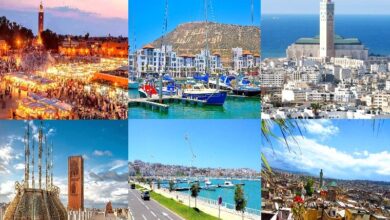
COPAF 2026: Casablanca at the Heart of Smart African Ports
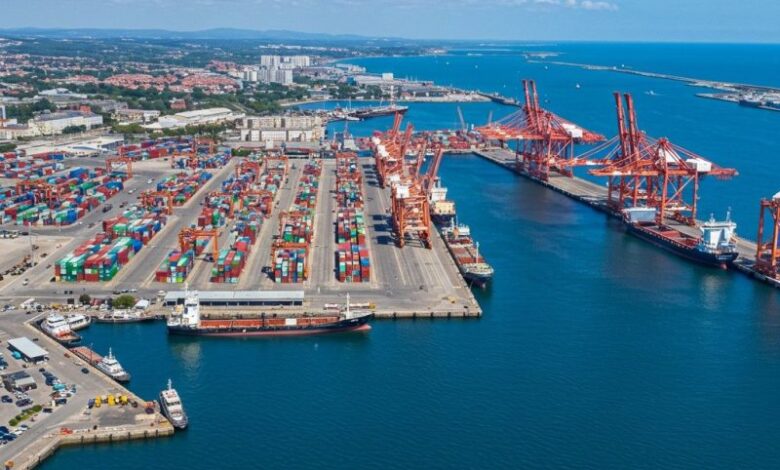
Casablanca to Host the 2026 African Ports Conference: A Focus on AI, Cybersecurity, and Port Infrastructure Modernization
Casablanca will host the third edition of the African Ports Conference (COPAF 2026) from October 19 to 21, 2026, dedicated to artificial intelligence, cybersecurity, and the modernization of port infrastructure. This meeting will gather maritime sector stakeholders to discuss issues of competitiveness, digital security, and logistical integration across the continent.
Artificial Intelligence for Enhanced Port Performance
The digital transformation of African port infrastructures has become a strategic priority to facilitate the evolution of international trade. The third edition of the African Ports Conference in Casablanca will emphasize technological solutions that can improve the efficiency of the continent’s maritime platforms.
Under the theme "Smart African Ports: Artificial Intelligence and Cybersecurity for Performance," COPAF 2026 takes place in a context characterized by the growth of trade flows, increasing complexity of logistics chains, and competition among major international port hubs.
Discussions will focus on automating operations, intelligent management of cargo flows, and optimizing terminal activities. The goal is to promote the adoption of technologies that can enhance productivity, streamline operations, and strengthen the competitiveness of African ports.
Cybersecurity: A Major Challenge for Maritime Infrastructure
The integration of artificial intelligence and digital tools opens new prospects for port operators. These technologies can help anticipate fluctuations in maritime traffic, optimize handling operations, and develop predictive maintenance for equipment.
They also foster better coordination among port authorities, shipowners, freight forwarders, and logistics operators by facilitating information sharing and synchronizing activities.
However, the growing digitization of infrastructure also exposes ports to higher cyber risks. Information systems, connected equipment, and operation management platforms must be protected to ensure the continuity of activities and limit the impact of potential cyberattacks.
Thus, cybersecurity has become an essential component of port modernization strategies. Strengthening protective measures, preparing for incidents, and developing resilience mechanisms are among the necessary conditions for a sustainable digital transition.
Morocco Enhances Its Maritime Positioning in Africa
The organization of COPAF 2026 in Casablanca aligns with Morocco’s efforts to develop its maritime infrastructure. The Tangier Med Port, which has become a major platform for international trade, exemplifies the Kingdom’s ambitions regarding connectivity, logistics, and integration into global supply chains.
This dynamic continues with significant projects such as Nador West Med and Dakhla Atlantic, intended to boost the country’s port capacity and support the growth of trade flows.
Morocco’s experience in maritime infrastructure and connectivity provides a valuable framework for African stakeholders seeking to modernize their equipment and enhance the efficiency of their port platforms.
Beyond physical investments, the performance of these infrastructures also relies on the capacity to integrate new technologies, adapt operational procedures, and strengthen the skills of professionals in the sector.
Training and Interoperability at the Heart of Digital Transformation
Modernizing African ports is not solely about acquiring technological equipment. It also requires investments in training, skills development, and the interoperability of computer systems used by the various stakeholders in the logistics chain.
The digitization of procedures can help reduce processing times for goods, improve operational traceability, and enhance transparency in exchanges between public and private actors.
To achieve these objectives, ports must rely on systems capable of communicating with one another while ensuring data security and reliability. This approach is crucial for streamlining information exchange and improving coordination across different stages of maritime transport.
More Efficient Ports to Accelerate Intra-African Trade
The challenges addressed at COPAF 2026 extend beyond mere technological modernization of infrastructures. Port performance is also a crucial lever for boosting trade among African countries.
In light of the African Continental Free Trade Area (AfCFTA), improving logistical fluidity can help reduce transport costs, facilitate the movement of goods, and support the integration of regional value chains.
Ports are expected to play a central role in this evolution by ensuring a better connection between African markets and major international trade routes.
By bringing together maritime sector stakeholders around artificial intelligence, cybersecurity, and innovation, the African Ports Conference contributes to discussions about the future of the continent’s port infrastructures. The challenge now is to transform technological opportunities into tangible gains in performance, security, and competitiveness.