PLF 2027: Morocco Targets 400 Billion Dirhams in Investment and 62 Billion for Social Initiatives
Morocco’s 2027 Budget Plan: Balancing Investment, Purchasing Power, and Professional Integration
The proposed 2027 budget outlines a framework focused on investment efforts, support for purchasing power, and professional integration. With an expected growth rate of 3.7% and a targeted public deficit of 3% of GDP, the challenge will be to reconcile economic ambition with budgetary sustainability.
Morocco aims to continue its economic transformation without compromising its social commitments. Presented on October 23, the draft finance law (PLF) for 2027 allocates 400 billion dirhams to public investment, with 62 billion dirhams designated for funding commitments under the government program. These allocations are designed to address a single equation: enhancing the Kingdom’s productive capacities while providing relief to pressures on purchasing power and employment.
Public Investment Takes Center Stage
With 400 billion dirhams allocated, public investment is on the rise compared to the 380 billion dirhams planned for 2026. Public institutions and enterprises, including the Mohammed VI Investment Fund, account for 251 billion dirhams, with the state budget contributing 124 billion dirhams and local authorities accounting for 25 billion dirhams.
This investment effort focuses on key sectors including energy, water, telecommunications, housing, and transportation infrastructure. It aims to enhance territorial competitiveness while supporting the development of productive activities.
However, the sheer volume of funding does not guarantee economic returns. The effectiveness of these investments in attracting private capital, fostering local subcontracting, and creating sustainable jobs will depend on their implementation and their impact on the productive fabric.
62 Billion Dirhams to Address Social Needs
The funding for government commitments represents the second component of the budgetary framework. This allocation addresses several priorities: integrated territorial development, youth integration, income tax reform, and strengthening social protection.
Integrated territorial development will receive 25 billion dirhams. Youth integration is allocated 6 billion dirhams, while the revision of the income tax scale represents an investment of 5.5 billion dirhams. The program also includes measures to support retirees, widows, and households benefiting from direct social assistance.
The goal is to combine immediate income support with improved economic prospects. The income tax reform is expected to alleviate the tax burden on certain employees, while integration programs aim to align available skills with the needs of businesses.
However, the effectiveness of these measures will depend on their actual impact on disposable income, employment access, and regional disparities.
Projected Growth of 3.7% Under Constraints
The macroeconomic framework projects a growth rate of 3.7% for 2027, down from a forecast of 4.7% for 2026. The budget deficit is set at 3% of GDP.
This trajectory highlights the challenge of reconciling investment spending, social commitments, and control of public finances. Achieving these objectives will depend significantly on tax revenues, international economic conditions, and agricultural performance.
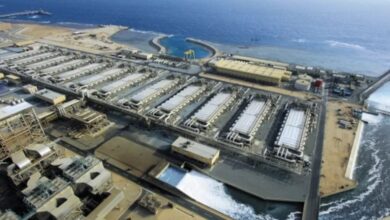
Water scarcity remains a crucial factor, emphasizing the need to invest in infrastructure to secure water supply and solutions to reduce the vulnerability of agriculture and industrial activities.
Economic Performance as a Litmus Test
For businesses, the PLF 2027 offers opportunities in infrastructure, energy, water, logistics, and collective equipment. However, the benefits will rely on the actual projects launched, their completion timelines, and the ability of national operators to engage in these initiatives.
The same necessity for results applies to the social aspect. While support for purchasing power may enhance consumption, its long-term impact will also hinge on the creation of formal jobs, income growth, and access to essential services.
Thus, the success of the PLF 2027 will hinge less on the announced figures and more on their economic translation. The 400 billion dirhams must strengthen the productive apparatus, while the 62 billion dirhams focused on government commitments need to yield tangible improvements in living conditions and professional integration. The challenge lies in harmonizing investment, competitiveness, and social cohesion without compromising public financial balance.