Mining: Morocco Faces the Challenge of Converting Its Attractiveness into Investments
Investment Recognition in Morocco’s Mining Sector
Recognition is significant, but it does not yet equate to a commitment to investment. By ranking Morocco among Africa’s most attractive mining jurisdictions alongside Namibia and Botswana, Appian Capital Advisory sends a positive signal to the market. For the Kingdom, the challenge now lies in transforming this appreciation into concrete projects that can bolster mining production and expand the national industrial fabric.
Michael Scherb, founder and CEO of the British fund, delivered this message in the context of a reshaping of international mining investments. According to statements reported by Reuters on October 28, 2026, Appian plans to mobilize between $5 billion and $7 billion globally over the next 12 to 24 months, with approximately $2 billion allocated to the African continent. The fund’s focus includes gold, copper, zinc, rare earth elements, and other strategic minerals.
This funding prospect does not represent a financial commitment to Morocco. However, it indicates future investment allocations among various mining destinations. In an industry where projects require significant capital, long profitability horizons, and sufficient regulatory visibility, the perception of risk plays a crucial role in investment decisions.
Predictability as a Competitive Advantage
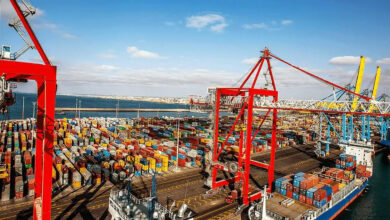
This is precisely where Morocco has a compelling argument to present. Institutional stability, continuity of public policies, and the existence of energy, port, and logistics infrastructures are elements that can facilitate the establishment of industrial projects. However, an investor’s appreciation does not automatically convert into financial commitments. It must be bolstered by transparent regulations, efficient permitting processes, and enduring visibility regarding fiscal and regulatory conditions.
Michael Scherb’s warning deserves particular attention in this regard. The Appian leader emphasizes that regulatory uncertainty and unpredictable changes in operating conditions can drive capital to other regions. Thus, competition is not solely based on the geological wealth of territories but also on states’ ability to provide a sufficiently predictable environment to support long-term investments.
For Morocco, this requirement aligns with the ambitions of the National Mining Plan 2021-2030, which aims to stimulate activities beyond phosphates, enhance the competitiveness of operators, and improve the sector’s institutional, legal, and financial frameworks. The goal is to better leverage the national geological potential while ensuring its exploitation aligns with responsible and sustainable development principles.
Moving Beyond Extraction
Official indicators provide insight into the economic weight of the sector. According to data from the Ministry of Energy Transition and Sustainable Development, the mining sector generated revenues of 121 billion dirhams in 2025 and accounted for nearly 20% of national exports. Declared investments reached 46.17 billion dirhams, while direct employment stood at approximately 40,000. These figures reflect a structuring activity but also raise questions about the distribution of the created value among extraction, processing, and related industrial activities.
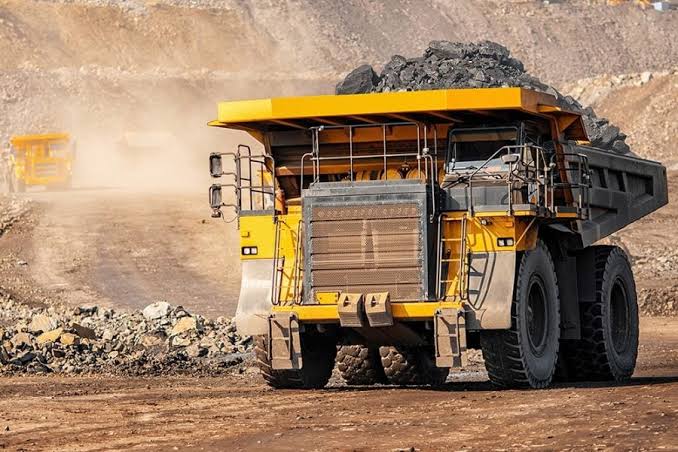
It is on this latter front that one of the main levers for progress lies. The valorization of mineral resources cannot be limited solely to increasing extraction volumes. It requires the development of processing units, transformation capacities, and technical expertise that allow for a larger share of added value to be retained within the territory. This direction is increasingly strategic as energy transition, electrification of uses, development of electrical networks, and the growth of data centers amplify the demand for metals and minerals.
Copper, in particular, is among the raw materials whose demand prospects capture investors’ attention. The needs associated with electrical infrastructures and new technologies could heighten pressure on global supply capacities. For Morocco, the opportunity lies in identifying resources with economic potential, accelerating their exploration, and fostering partnerships capable of financing the most demanding stages of mining development.
Turning Interest into Projects
However, this ambition requires a selective approach. International investors seek reliable geological data, improved knowledge of deposits, manageable administrative timelines, and a clear linkage between industrial objectives, environmental requirements, and local outcomes. Access to water and energy, infrastructure availability, and local acceptability of projects are also critical parameters.
Funding presents another challenge. Partnerships among specialized funds, international financial institutions, and industrial operators can help reduce risks and support projects from exploration to their operational start. Appian’s experience with the International Finance Corporation, a World Bank Group entity dedicated to the private sector, illustrates the increasing interest in such financing mechanisms.
In this context, the British fund’s statement positions Morocco favorably, without prejudging the outcomes of financial allocations. The true measure of its attractiveness will not be the frequency with which it is mentioned among promising destinations, but rather its ability to welcome new projects, attract patient capital, and develop transformation activities.
In an increasingly competitive international mining market, geology offers prospects, and regulatory stability allows for their exploration. Ultimately, it will be the capacity to transform resources into industrial production, skilled jobs, and local added value that will determine Morocco’s place in the new mineral supply chains.