Aerospace: Moroccan Exports Rise by 22.3%
Moroccan Aerospace Industry Continues to Grow
The Moroccan aerospace industry is affirming its growth momentum. In the first nine months of 2026, the sector’s exports reached 26.2 billion dirhams, reflecting a 22.3% increase compared to the same period the previous year. This performance brings the industry closer to the total of 29.1 billion dirhams recorded for all of 2025.
Beyond the increase in foreign sales, the sector is also advancing in terms of quality, broadening the scope of industrial activities conducted locally and bolstering investments in high-value-added sectors.
Local Integration Rate Exceeding 40%
One of the key indicators of this evolution is the local integration rate, which now exceeds 40%. This growth reflects the expansion of production capabilities established in Morocco and the commitment to further develop industrial skills within the national aerospace ecosystem.
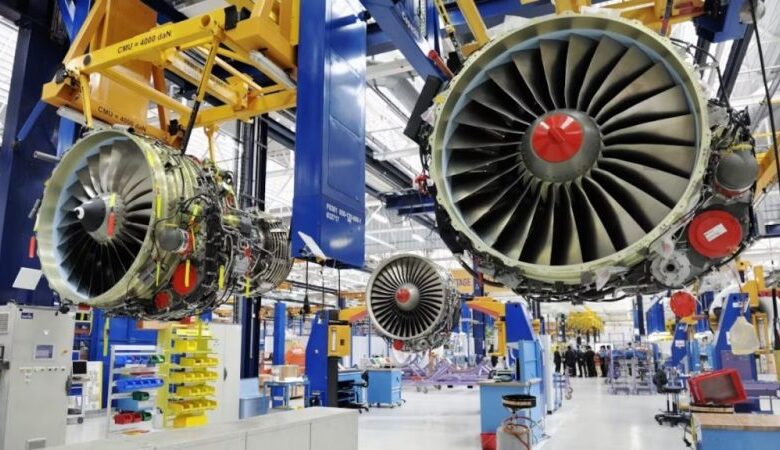
The industry now extends beyond traditional component manufacturing. New projects include engine assembly and testing, landing gear manufacturing, as well as aerospace maintenance.
This diversification presents an opportunity for Morocco to take on more complex industrial operations and solidify its position in international supply chains.
Safran Invests Over 6.5 Billion Dirhams
The development of the sector is also supported by new industrial investments. The Safran Group plans several projects in Morocco with a total budget exceeding 6.5 billion dirhams.
These projects are expected to generate approximately 1,300 direct jobs and enhance the Kingdom’s industrial capabilities in strategic aerospace segments.
Their implementation will also increase the demand for qualified profiles, particularly technicians and engineers specializing in engine testing, maintenance, and quality control. The availability of these skills will be a crucial factor in supporting the scaling-up of new facilities.
Moroccan Subcontractors Face Qualification Challenges
For Moroccan companies positioned in aerospace subcontracting, growth prospects now depend on their ability to further integrate into the supply chains of major contractors.
Gaining access to new contracts requires meeting particularly high industrial standards. Mastering production rates, ensuring component traceability, and adhering to certification norms are among the essential conditions needed to locally manufacture more parts and equipment.
The industry’s advancement thus represents an opportunity for national suppliers but also necessitates efforts in investment, training, and technological upgrading.
With exports reaching 26.2 billion dirhams in the first nine months of 2026 and a local integration rate exceeding 40%, the Moroccan aerospace sector continues its expansion. The next challenge will be to transform this growth into greater industrial benefits for local companies and specialized job creation.