Atlantic Ocean–Africa: A Vast “Brown Ribbon” of Sargassum Concerns Scientists
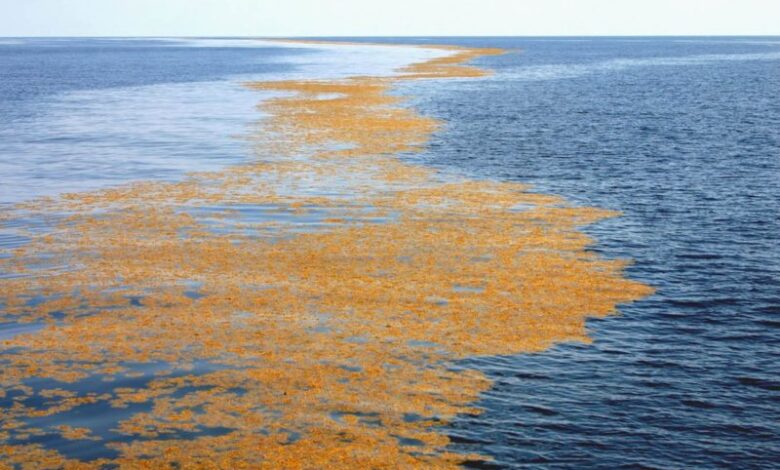
A Significant Oceanic Phenomenon Captured by Researchers
An extraordinary oceanic phenomenon is drawing the attention of researchers: a gigantic accumulation of brown algae, known as sargassum, has formed a continuous ribbon visible from space between the coasts of West Africa and the Atlantic Ocean.
This “brown ribbon” spans several thousand kilometers and represents a massive extension of the Atlantic Sargasso Sea, a phenomenon that has significantly intensified over the past decade.
An Unprecedented Proliferation of Sargassum
Sargassum is a type of floating marine algae that, in the past, was mostly confined to specific areas of the Atlantic Ocean. Over the last fifteen years, their distribution has changed dramatically, characterized by rapid growth in biomass and spectacular geographical expansion.
Satellite observations indicate that these algal masses can reach tens of millions of tons and stretch across thousands of kilometers, forming a true oceanic “belt” connecting various regions of the globe.
A Phenomenon Linked to Nutrient Inputs
Scientists explain this surge in sargassum as a result of increased nutrient inputs into the ocean, particularly nitrogen and phosphorus, sourced from rivers, agriculture, and human waste. These elements foster rapid algal growth, further compounded by ocean currents that transport them over great distances.
Rising water temperatures and alterations in ocean currents may also play a role in this dynamic.
Significant Ecological and Economic Impacts
While sargassum provides habitat for numerous marine species, its massive proliferation results in serious issues when it washes ashore. Decomposition of the algae can lead to significant nuisances, including the release of toxic gases, beach degradation, disruption of biodiversity, and adverse effects on tourism and local economic activities.
A Warning Signal About the State of Our Oceans
For researchers, this phenomenon broadly signifies the growing imbalances within marine ecosystems. The expansion of this sargassum belt may serve as one of the visible signs of the profound transformations occurring in the Atlantic Ocean as a consequence of human activities and climate change.