COP31: Morocco Plans 133 Billion Dirhams to Accelerate Its Energy Transition
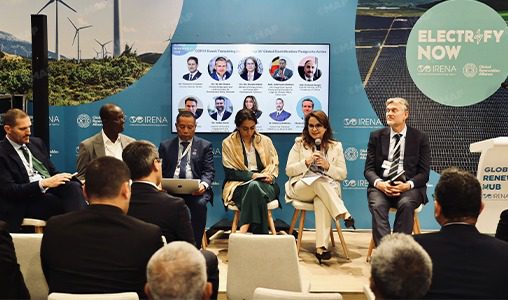
Morocco Sets Ambitious Renewable Electrification Goals at COP31 in Antalya
In Antalya, Turkey, the Minister of Energy, Mines, and Sustainable Development, Charafat Afailal, presented the Kingdom’s ambitions for electrification driven by renewable energy sources. The national plan for 2026-2030 outlines an investment of approximately 133 billion dirhams aimed at developing electrical capacity, enhancing storage solutions, and modernizing the power grids.
Morocco is determined to accelerate the electrification of its economy by increasingly relying on renewable energy. This commitment was highlighted by Minister Afailal on Tuesday evening at an event held in conjunction with COP31, focusing on the global ”35 by 35” initiative designed to promote electrification efforts.
During this occasion, Afailal emphasized that the development of an electricity system based on renewable sources is a strategic priority for the Kingdom, particularly regarding energy sovereignty and security. This transition is also expected to support economic growth and enhance the competitiveness of the national industry, especially considering Morocco’s ongoing reliance on imports to meet a significant portion of its energy needs.
COP31: Morocco Invests in Renewable Energy and Electrical Infrastructure
To realize the global “35 by 35” initiative, Afailal stressed the necessity of translating goals into tangible achievements. She called for the adoption of ambitious strategies, the development of renewable production capacity, the modernization of electrical networks, and the enhancement of storage and interconnection infrastructure.
The minister also highlighted the importance of mobilizing investments, fostering innovation, and facilitating technology transfer, which are seen as crucial levers to accelerate the transformation of the energy system.
Presenting Morocco’s experience, she recalled that the energy strategy established since 2009 is built on three pillars: renewable energy development, energy efficiency improvement, and regional energy integration.
133 Billion Dirhams in Investments by 2030
Currently, Morocco has an installed electrical capacity of 12,364 MW, with 5,780 MW generated from renewable sources, accounting for 46.7% of the national power mix. This percentage is expected to exceed 52% by 2030, according to the objectives presented by the minister.
To support this evolution, the national plan for electric capacity development from 2026 to 2030 anticipates investments of around 133 billion dirhams. The goal is to add 18,088 MW of additional capacity, with over 11,752 MW coming from renewable sources.
The program also includes the deployment of 2,590 MW of electrical storage capacity and aims to increase annual investments in electrical networks sevenfold. This infrastructure is designed to facilitate the growing integration of renewable energy and enhance the reliability of the national electric system.
Private Investment and Self-Production at the Core of Reforms
In addition to infrastructure investments, Morocco’s strategy includes several reforms aimed at facilitating private sector participation in energy development.
Charafat Afailal specifically mentioned measures designed to encourage self-production of electricity and the establishment of a national origin certificate system. This mechanism will ensure the traceability of electricity produced from renewable sources and assist Moroccan companies in meeting increasingly stringent decarbonization requirements in international production chains and markets.
The focus is also industrial: enabling products manufactured in Morocco to better comply with new environmental standards and maintain competitiveness in a low-carbon transition.
Energy Efficiency and Green Hydrogen: Other Kingdom Priorities
Regarding energy efficiency, Morocco aims to reduce its energy consumption by 20% by 2030, targeting sectors such as building, transportation, industry, and public lighting.
The minister also noted that regional plans dedicated to improving energy efficiency and decarbonization are being developed across the twelve regions of the Kingdom to better align actions with local specifics.
At the same time, Morocco aims to strengthen its position in the green hydrogen sector by capitalizing on its natural resources and geographical advantages to develop new energy and industrial opportunities.
International Commitment to Electrification
Organized jointly by the Turkish presidency of COP31 and the International Renewable Energy Agency (IRENA), the Antalya meeting highlighted the role of electrifying energy-consuming sectors in developing clean electricity, improving energy efficiency, and achieving climate goals set forth in the Paris Agreement.
Discussions focused on public policies, financing mechanisms, and technological solutions necessary to accelerate this transformation, attract investments, and enhance international cooperation.
Through the orientations presented in Antalya, Morocco reaffirms its commitment to making the energy transition a means of sovereignty, decarbonization, and economic competitiveness.