Electric Batteries: The IEA Ranks Morocco Among the Future Strategic Hubs of the Global Industry
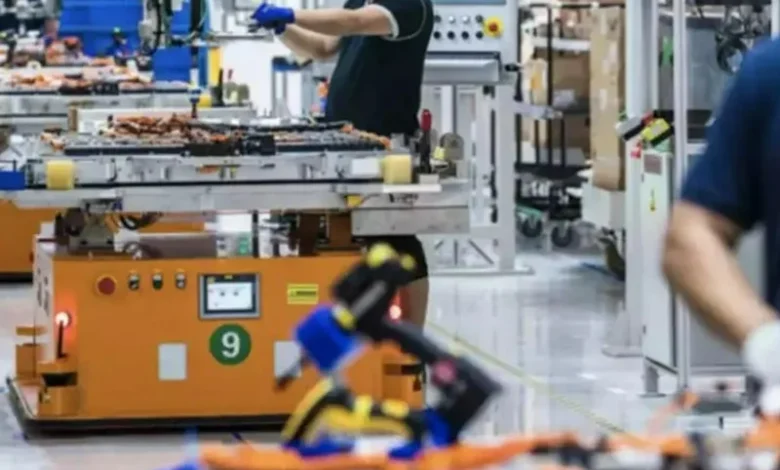
Morocco reaffirms its ambition to become a major player in the global electric vehicle battery value chain. In its Global Critical Minerals Outlook 2026, the International Energy Agency (IEA) identifies the Kingdom as one of the future strategic hubs for producing lithium iron phosphate (LFP) battery components, a technology that now dominates the global electric mobility market.
This recognition is primarily based on Morocco’s immense phosphate potential, as it holds nearly 70% of the world’s phosphate rock reserves, a crucial resource for manufacturing purified phosphoric acid (PPA), an essential component for next-generation batteries.
An Exceptional Geological Asset, Yet an Industrial Challenge Ahead
While the Kingdom possesses the largest phosphate reserves globally, it currently accounts for only a limited share of the industrial value chain.
According to the IEA’s projections, Morocco is expected to have about 5% of the global purified phosphoric acid (PPA) production capacity by 2035, far behind China, which will maintain nearly 75% of the world’s capacity.
The Agency emphasizes that the true added value now lies in the chemical transformation of phosphate rather than in the extraction of the raw material.
Industrial Investments Accelerate
To address this gap, Morocco is ramping up investments in industries related to electric batteries.
Several international groups, including Chinese companies, are currently developing industrial projects in the Kingdom to produce materials for LFP batteries. These investments leverage several competitive advantages of Morocco:
- Abundant phosphate reserves;
- Geographical proximity to Europe;
- Free trade agreements with the United States and several international partners;
- An industrial strategy focused on green technologies.
Thus, the Kingdom establishes itself as an attractive industrial platform to supply the European and North American markets.
Cobalt and Graphite: Diversifying the Supply Chain
Beyond phosphate, Morocco is also strengthening its presence in other strategic battery segments.
The Managem Group is developing a project to produce cobalt sulfate aimed at the electric automotive industry from its Bou Azzer site.
In parallel, the future graphite anode production plant in Tangier will complement Morocco’s industrial ecosystem dedicated to batteries, alongside other projects being developed in Europe and North America.
These investments allow the Kingdom to gradually diversify its involvement in various stages of battery manufacturing.
Global Competition Still Dominated by China
Despite this momentum, the IEA reminds us that China still holds a significant advantage throughout the entire value chain of critical minerals.
The country currently dominates cobalt refining, the production of purified phosphoric acid, battery component manufacturing, as well as numerous industrial processes essential to this industry.
Morocco will need to continue its investments in chemistry, industrial technologies, skills, and research to capture a larger share of global added value.
A Strategic Opportunity for the Moroccan Economy
In the context of strong global growth in demand for electric batteries, critical minerals have become a major lever for industrial competitiveness.
Thanks to its natural resources, industrialization policy, and the arrival of major international investors, Morocco has solid strengths to establish itself as an essential platform for the energy transition.
The challenge now lies in transforming this geological advantage into industrial leadership by locally developing activities related to refining, advanced chemistry, and high-value component manufacturing.