Morocco: An Additional 1.7 Million Cubic Meters of Oil Storage by 2030
Morocco Plans Significant Increase in Petroleum Storage Capacity
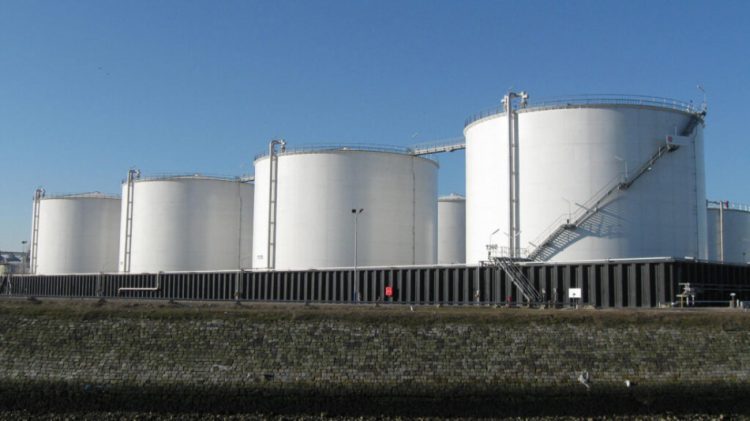
Morocco is set to significantly enhance its petroleum storage capacities over the coming years. More than 1.7 million cubic meters of additional storage is expected to be operational between 2026 and 2030, with 700,000 cubic meters anticipated by the end of 2027. This initiative aims to strengthen the security of supply in the national market amid rising energy consumption.
Rising Oil Consumption in Morocco
This expansion comes at a time when national consumption of petroleum products continues to grow, reaching 12.8 million tons in 2025—an increase of 4% compared to the previous year.
Diesel remains the most consumed product, accounting for over 51% of total volumes. Butane gas follows, representing about 21% of overall consumption.
This trend underscores the challenges related to the availability of petroleum products and Morocco’s ability to secure its supplies in the face of demand fluctuations and constraints within the international market.
Increasing Storage Capacities
Currently, Morocco has a storage capacity of 2.4 million cubic meters for petroleum products, along with an additional 800,000 cubic meters allocated for liquefied petroleum gas (LPG).
These figures reflect the technical capabilities of storage facilities and do not represent the volumes actually stored at any given time.
The new program outlines a significant increase in these infrastructures, far surpassing the previous target, which aimed for an additional 455,000 cubic meters of capacity.
Beyond constructing new facilities, securing supply also relies on regular monitoring of available stocks, imports, and the unloading operations of vessels transporting energy products.
Nador West Med: A Strategic Infrastructure Expected in 2027
The upcoming hydrocarbon terminal at Nador West Med is among the major infrastructures anticipated to support this development. Its operational launch is scheduled for April 2027, with the goal of enhancing the Kingdom’s logistical capacities regarding the importation and storage of petroleum products.
A dedicated area of 170 hectares has been reserved for this project. The first phase, covering 82 hectares, is already completed, while the land requirements expressed by interested operators amount to approximately 50 additional hectares.
The development of this terminal is expected to strengthen the national energy logistics chain, providing new opportunities for industry operators.
Through this investment program, Morocco aims to consolidate its storage infrastructure and improve its ability to respond to the evolving demand for petroleum products. The increased capacity, combined with careful supply monitoring and the commissioning of Nador West Med, forms a crucial part of its energy security strategy.