Olives in Morocco: Harvest Plummets by 30 to 40%, Industry on High Alert
Moroccan Olive Sector Faces Challenges Ahead of 2026-2027 Agricultural Season
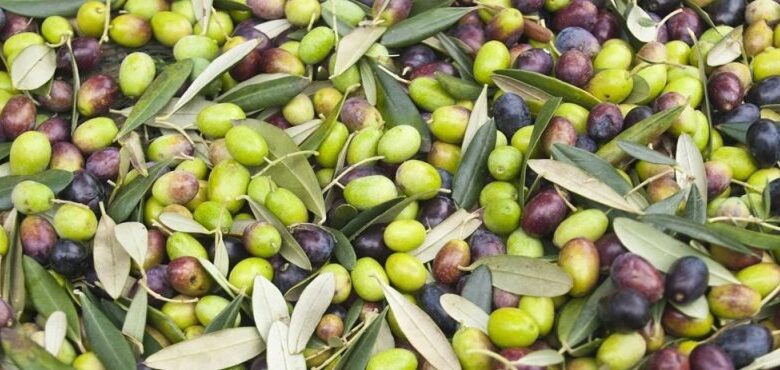
The Moroccan olive sector is facing a worrying situation as the 2026-2027 agricultural campaign begins. The national olive production has seen a decline estimated between 30% and 40% compared to the previous season, while sale prices remain insufficient to cover producers’ costs. In light of these challenges, the Moroccan Interprofessional Olive Organization (Interprolive) is urging public authorities to intervene to preserve the economic balance of the sector.
Production Decline Coupled with Insufficient Prices
Despite the reduced harvest volume, producers note that prices in several olive-growing regions remain particularly low. According to Interprolive, a slowdown in demand and weak purchasing power are preventing growers from selling their produce at levels high enough to cover production and harvesting costs.
This situation follows a previous campaign marked by a strong rebound in production that helped replenish market availability after several years affected by drought. Therefore, the current reduction in harvests does not automatically translate into improved agricultural revenues. On the contrary, producers are grappling with prices deemed insufficient while their expenses continue to rise.
Rising Labor Costs Add to the Burdens
An increase in seasonal labor costs presents another source of concern for growers. This hike is accompanied by recruitment difficulties for agricultural workers, complicating the organization of harvesting operations.
Delays in collecting olives can lead to harvest losses and affect the quality of the olives, with direct consequences on their commercial value. This issue is especially burdensome for farms that lack the resources to mechanize their operations.
For Interprolive, enhancing mechanization is a crucial lever for reducing dependence on seasonal labor and improving harvesting conditions.
Olive Oil Mills and Canning Factories Also Under Pressure
The challenges are not limited to producers. Industrial units specializing in grinding, olive oil production, and table olive processing are also experiencing a complicated environment.
The accumulation of stocks, difficulties in selling products, and financing constraints limit their capacity to absorb available volumes. Additionally, companies are facing rising operational costs, further squeezing their profit margins.
Interprolive also highlights the limitations of support mechanisms for export and the struggles faced by Moroccan firms to enhance their competitiveness in international markets. Thus, diversifying outlets remains a key challenge to support the industrial activities of the sector.
Interprolive Calls for Government Intervention
In light of this situation, the professional organization is urging public authorities to implement measures aimed at improving the marketing conditions of the harvest and ensuring producers receive prices that reflect their costs.
They are also advocating for the examination of debt relief solutions for farmers and increased support for acquiring equipment intended to mechanize harvesting operations.
For industrialists, Interprolive is calling for easier access to financing and assistance with inventory management and capacity development. They are also urging the enhancement of export incentives and the fulfillment of commitments outlined in the sector’s program contract, especially regarding industrial investment and modernization of production units.
Finally, Interprolive emphasizes the necessity of regular monitoring of production, stocks, prices, and market needs to better anticipate the developments within the sector.
A Pivotal Campaign for the Future of the Olive Sector
The current economic landscape highlights the vulnerabilities of a sector simultaneously grappling with declining production, rising costs, and marketing challenges. The continuation of this situation could weaken agricultural operations, reduce the capacities of industrial units, and threaten jobs related to production and processing.
Kamal Ben Khaled, president of Interprolive, is calling for an urgent dialogue with the ministry and relevant partners to define operational measures to ensure the sustainability and competitiveness of the Moroccan olive industry.