Morocco Continues to Receive Russian Gas via Spain for the 28th Consecutive Month
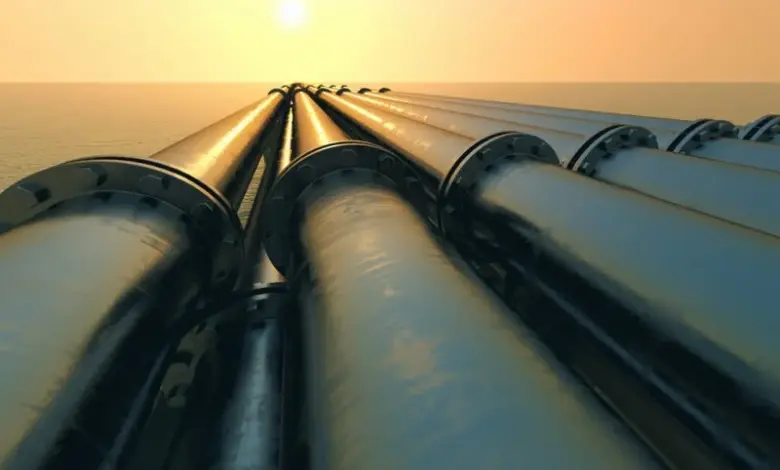
Morocco continues to be one of the Arab countries receiving supplies of Russian gas, utilizing an indirect route through the Spanish market, amid a backdrop of increasing interconnection of energy markets in the Western Mediterranean.
According to data reported by the specialized platform “L’Énergie,” the Kingdom has ranked for the 28th consecutive month among the Arab countries importing Russian gas transported via pipeline, despite the lack of any infrastructure directly linking Morocco to the Russian gas transport network.
These supplies are routed through Spain. The mechanism relies on the import of liquefied natural gas (LNG) from Russia to Spanish terminals, where it is regasified before being transported as natural gas to Morocco via the Maghreb-Europe Gas Pipeline.
This setup illustrates the interconnection of energy infrastructures in the region and the complexity of gas flows in the Mediterranean. It allows Russian gas to reach the Moroccan market indirectly, without the need for a direct gas link between the two countries.
Declining Russian Energy Revenues
The continuation of these flows comes as Russian revenues from energy exports recorded a decline last July.
According to the same data, these revenues dropped by approximately 12%, reaching nearly 683 million euros per day, primarily due to a decrease in revenue from petroleum products and liquefied natural gas.
This development occurs in the context of restrictions and Western sanctions targeting the Russian energy sector since the onset of the war in Ukraine.
Eight Arab Countries Continue to Import Russian Energy
Across the Arab world, data indicates that eight countries have continued to import Russian energy since the onset of Western sanctions: Morocco, the United Arab Emirates, Saudi Arabia, Egypt, Kuwait, Syria, Tunisia, and Libya.
The persistence of these flows highlights the strategic role of regional energy infrastructures in redistributing supplies.
It also underscores the complexity of gas trade in the Mediterranean, where the final destination of a cargo does not necessarily correspond to its direct origin, particularly due to regasification operations and interconnections between various networks.
For Morocco, the reliance on this indirect route through Spain thus illustrates the importance of Iberian and regional energy infrastructures in diversifying the Kingdom’s sources and supply chains.