Porsche Boosts Its Performance Despite Decline in Sales in 2026
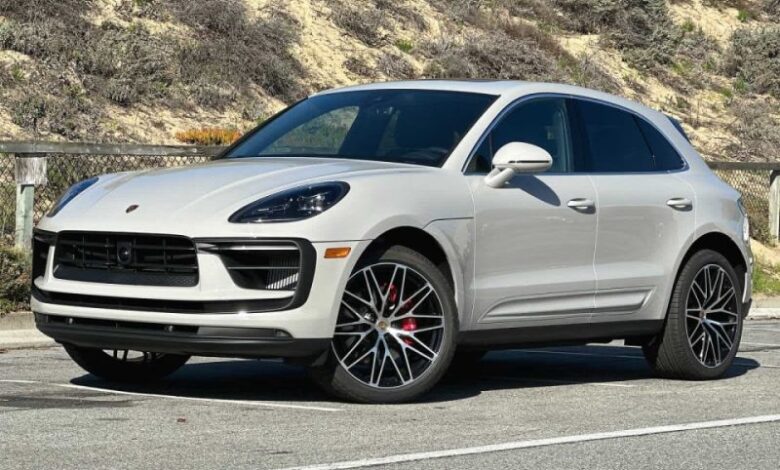
Porsche Initiates Financial Recovery After a Challenging 2025, Yet Sales Decline Persists
Porsche is beginning to experience a financial recovery following a difficult year in 2025, but it continues to face a significant decline in its global sales and revenue. In the first nine months of 2026, the German automaker recorded an operating profit of €1.74 billion, compared to just €40 million a year earlier. This improvement comes amid heightened competition, particularly in China, and a recalibration of its electrification strategy.
Strong Increase in Operating Profit
The results published on October 27, 2026, highlight the contrasting situation at Porsche. Between January and September, the company generated a revenue of €25.28 billion, reflecting a decline of 5.9% year-on-year. During the same period, global deliveries dropped by 16%, amounting to 178,532 vehicles.
Despite this drop in commercial activity, the operating profit reached €1.74 billion, a stark rise from €40 million in the first nine months of 2025. The operating margin surged from 0.2% to 6.9%.
However, this increase should be interpreted with caution, as it largely stems from a decrease in exceptional expenses related to restructuring, which fell from approximately €2.7 billion to €500 million. Thus, the recovery reflects an improvement in financial performance without indicating a full return to previous profitability levels.
China, a Market Under Significant Pressure
The decline in sales in China represents one of the key business challenges for Porsche. In the first nine months of 2026, the company’s deliveries in this market plummeted by 33%, down to 21,493 vehicles.
This shift is largely driven by increased competition from Chinese manufacturers, who offer electric vehicles equipped with advanced technologies at competitive prices. In this context, foreign brands must adapt their offerings to meet new consumer expectations and the rapidly evolving local market.
North America remains Porsche’s largest market, with 56,088 vehicles delivered during the period, despite a 13% decrease.
Some models, however, are resisting the general trend. The Porsche 911 saw a 12% increase in sales, reaching 42,217 units, underscoring the significance of flagship models within the automaker’s commercial strategy.
A Strategy Refocused on Profitability
In response to declining volumes and margin pressures, Porsche is prioritizing the profitability of its sales over systematic delivery growth. This shift relies on cost control, investment rationalization, and optimization of production capacities.
The group is also focusing on high-value models and vehicle customization—a segment that enhances brand exclusivity and improves profitability per vehicle sold.
This approach aims to maintain Porsche’s high-end positioning in an increasingly price-competitive environment. The challenge is to sustain high prices while adjusting volumes and expenditures to align with realistic demand forecasts.
Electrification Adjusted to Market Changes
Porsche is also reassessing the pace of its transition to electric vehicles. After heavy investments in this technology, the automaker is now tailoring its choices to a global demand that’s proving to be less uniform than anticipated.
Internal combustion and hybrid engines continue to hold a significant place in its portfolio, while investments in electric vehicles must be more closely aligned with commercial opportunities.
This adaptation reflects the difficulties faced by premium manufacturers in balancing technological transformation, cost control, and margin preservation. Porsche must continue its industrial evolution while catering to diverse customer preferences across markets.
Improved Automotive Cash Flow
Financially, Porsche reported a net automotive cash flow of €2.5 billion in the first nine months of 2026, up from €1.34 billion a year prior.
This increase is a positive indicator but should be viewed with nuance. Performance has benefited from exceptional operations, including stake sales. The automaker’s ability to sustain cash generation will depend on the evolution of its core activities and its capability to stabilize sales.
Cost reductions are an important step, but they will not ensure sustainable recovery if the manufacturer fails to enhance its commercial competitiveness and update its lineup according to market expectations.
2026, a Pivotal Year for Porsche
Porsche is entering a decisive phase of transformation. The group must simultaneously restore its profitability, strengthen its presence in strategic markets, and maintain the attractiveness of its brand in the face of increasingly aggressive competitors.
The growth in operating profit signals a recovery, but the decline in revenue and deliveries serves as a reminder that business difficulties remain. Regaining market share in China, adjusting the electric strategy, and managing investments are among the key challenges for the upcoming months.
For the Stuttgart-based manufacturer, the goal is now to translate cost savings into a sustainable improvement in its industrial and financial performance, all while preserving its positioning within the luxury automobile sector.