Reform of Subdivisions: Parliament Adopts New Legal Framework with Permits Lasting Up to 15 Years
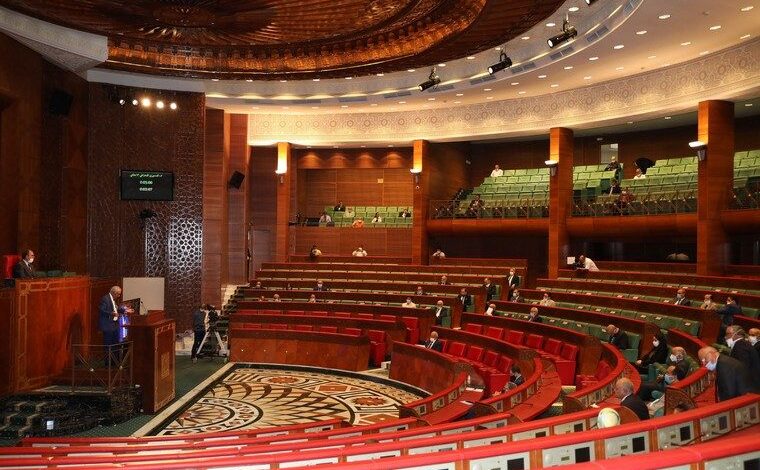
On June 30, 2026, the House of Councillors unanimously adopted Bill No. 34.21, which amends and complements Law No. 25.90 relating to subdivisions, housing groups, land divisions, and large-scale public interest development projects. This reform represents a significant step towards modernizing the legal framework for urban planning, coming over 34 years after the current law was enacted in 1992.
Presenting the text to the councillors, the Secretary of State for Housing, Adib Benbrahim, emphasized that this reform is part of the Kingdom’s broader efforts to improve citizens’ living conditions, enhance territorial attractiveness, and support investment in the urban planning, construction, and housing sectors.
The government official reminded attendees that the bill reflects recommendations from the National Dialogue on Urban Planning and Housing. It also aims to adapt legislation to the profound urban, demographic, and economic changes Morocco has experienced, while addressing the challenges encountered in enforcing Law No. 25.90 over the past several years.
Timelines Aligned with Project Size
Among the main innovations is the revision of the validity periods for subdivision permits. Unlike the current framework, the new text establishes variable timelines based on the project size.
Subdivisions covering less than 20 hectares will have a completion period of 3 years. This timeframe will extend to 5 years for projects between 20 and 100 hectares, 7 years for those spanning 100 to 250 hectares, 10 years for projects between 250 and 400 hectares, and up to a maximum of 15 years for projects exceeding 400 hectares.
The bill also stipulates the suspension of these timelines when work is halted due to force majeure or circumstances beyond the developer’s control.
Simplifying Processes and Enhancing Living Conditions
The reform aims to eliminate several operational constraints identified during the implementation of the current legislation, including delays in completing infrastructure works and the complexity of administrative procedures.
The text also strengthens obligations related to the establishment of public facilities and services within subdivisions in order to improve the quality of life and promote better urban integration.
Another major innovation is the automatic transfer to the communal public domain of roads, water networks, sanitation, electricity, and undeveloped green spaces, effective once the provisional acceptance of the infrastructure works has taken place. This measure aims to accelerate the management of public infrastructures and ensure their operation promptly.
Specific Provisions for Projects of Public Interest
The project also introduces a special regime for phased subdivisions, particularly those initiated by the State, local authorities, or public institutions as part of public utility projects, resettlement programs for victims of natural disasters, or initiatives to eliminate substandard housing.
Furthermore, the text establishes a clear legal framework for the restructuring and regularization of non-compliant subdivisions, addressing a longstanding issue that hampers urban development.
A Catalyst for Investment
According to the government, this reform will enhance legal security for investors, simplify administrative processes, reduce the processing time for files, and stimulate investment in the real estate sector. The goal is also to promote job creation, increase tax revenues for the State and local authorities, and support urban development in a more sustainable framework.
Before its final adoption by the House of Councillors, the bill was approved by the House of Representatives with
120 votes in favor
,
50 abstentions
and
no votes against
, indicating a broad consensus around this reform poised to reshape the legal framework for subdivisions in Morocco.