Sugar sector: Over 3 billion dirhams anticipated in 2026-2027.
The Moroccan Sugar Sector Looks Towards a Promising Agricultural Campaign for 2026-2027
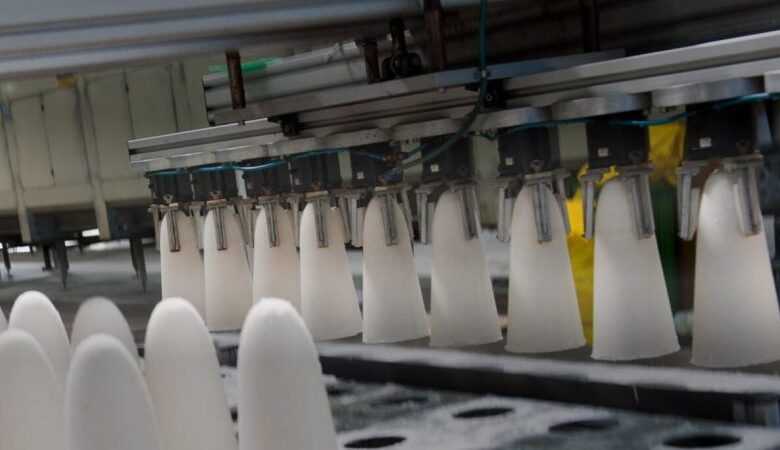
The Moroccan sugar sector is gearing up for the 2026-2027 agricultural campaign with promising economic prospects. Expected gains could exceed 3 billion dirhams, according to information released on October 20, 2026. This presents a major opportunity for a sector that interlinks agricultural production, the food processing industry, and the security of the national market supply.
A Strategic Sector for the Moroccan Economy
The sugar sector holds a significant position within Morocco’s economic fabric, organized around agricultural production, industrial transformation, and distribution. The forecasts announced for the 2026-2027 campaign reaffirm the importance of this activity, which supports agricultural territories and supplies industrial units.
Sugar beet and sugarcane are the primary crops in the national sugar sector. Their processing engages a network of stakeholders, including farmers, industrialists, transporters, and distributors. This synergy makes the sector a prime example of integration between agriculture and the food processing industry.
Productivity at the Heart of Food Sovereignty
Enhancing local production is one of the main challenges facing the sector. It must balance increasing yields with more effective management of water resources, particularly in a context marked by recurrent droughts in Morocco.
Modernizing irrigation systems, utilizing high-performance seeds, mechanization, and strengthening technical support for farmers are among the levers that could boost productivity. These efforts are essential to mitigate the effects of climate variability and enhance the resilience of agricultural operations.
Industrial performance is also a critical factor. Controlling energy costs, optimizing logistics, and valuing by-products can improve the competitiveness of the entire production chain.
Necessary Investments to Strengthen the Sector
The economic prospects for the 2026-2027 campaign also highlight the importance of coordination between producers and processing companies. Strengthening contractual relationships and better planning of investments can enhance the stability of agricultural incomes and secure the supply for industrial units.
However, the projected economic benefits, exceeding 3 billion dirhams, remain forecasts. Their realization will depend on climatic conditions, actual harvest volumes, and shifts in production costs.
Striking a Balance Between Competitiveness and Water Management
For Morocco, the challenge lies in bolstering the competitiveness of the sugar sector while safeguarding natural resources. The sector’s development necessitates sustainable yield improvements, more efficient water use, and better valorization of local production.
As the agricultural campaign for 2026-2027 approaches, the sugar sector emerges as a significant economic lever. Its ability to harmonize agricultural performance, industrial efficiency, and responsible resource management will be crucial in enhancing its contribution to national food security.