
Tesla Strengthens Its Presence in Morocco with a New Service Center in Casablanca
Tesla Morocco Expands Operational Infrastructure
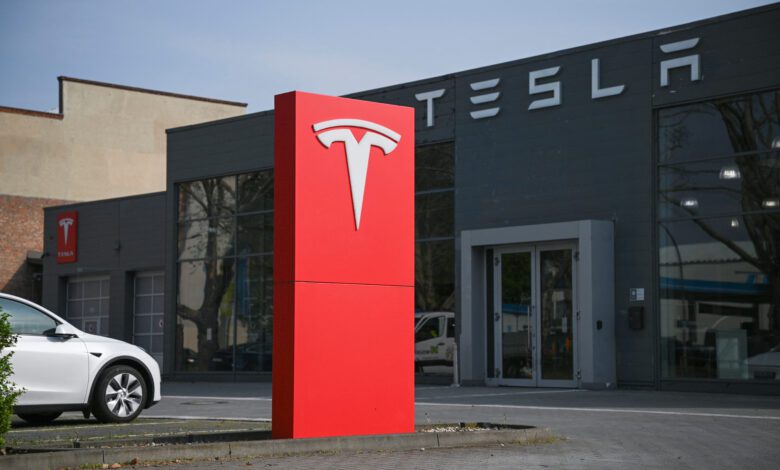
Tesla Morocco is advancing its operational infrastructure in the Kingdom with the establishment of a new center dedicated to the maintenance and repair of electric vehicles in the Lissasfa area of Casablanca.
This new facility marks a significant step in the American brand’s strategy to enhance its after-sales services and support the growth of its operations in the Moroccan market. The new center is expected to play a crucial role in the technical management of Tesla vehicles, offering tailored maintenance, repair, and support services specifically designed for electric cars.
According to available information, this installation would be the first Tesla infrastructure of its kind on the African continent, potentially granting Morocco a unique position in the development of the brand’s service network in the region.
Tesla Gradually Establishes Its Presence in Morocco
The opening of this center follows Tesla’s institutional establishment in the Kingdom. In June 2025, the American manufacturer officially announced the creation of its local subsidiary under the name Tesla Morocco, with its headquarters located at the Crystal Tower in Casablanca’s Marina district.
A few weeks prior, Tesla Global B.V. and Tesla Motors Netherlands B.V. announced the formation of a Moroccan limited liability company with a capital of approximately 27.5 million dirhams. The management of the Moroccan subsidiary has been entrusted to Rafael Arquiza Martin and Shaheen Oliver Khorshidpanah. The company’s activities include the import, distribution, and marketing of electric vehicles, as well as maintenance and repair services.
With this new center, Tesla appears to be shifting from a purely commercial presence to establishing a genuine local infrastructure capable of supporting the growth of its vehicle fleet.
After-Sales Service: A Key Challenge for Electric Vehicles
Enhancing the maintenance framework is crucial for electric vehicle manufacturers seeking to establish a sustainable presence in new markets. The availability of specialized technical services, spare parts, and local assistance can play a decisive role in consumer trust and the adoption of electric vehicles.
The establishment of a specialized center in Casablanca could help alleviate some maintenance-related challenges for Tesla vehicles and improve the experience for Moroccan users.
A Strategy That Goes Beyond Automobiles
Tesla’s presence in Morocco may not be limited to the electric vehicle market. The group is also developing activities in clean energy and electricity storage, two sectors that hold promise in a Moroccan market committed to renewable energy development.
Morocco possesses significant solar and wind potential and continues to invest in infrastructure aimed at increasing the share of renewable energy in its energy mix.
This context could create opportunities for Tesla’s storage solutions, particularly Powerwall batteries for residential use, as well as Megapack systems designed for large-scale storage, particularly for industrial facilities and electrical grids.
The development of these activities could allow Tesla to gradually expand its positioning in Morocco, transitioning from just the automotive sector to an ecosystem that integrates electric mobility, renewable energy production, and electricity storage.
Morocco as a Regional Hub
Beyond the Moroccan market, the Kingdom’s geographical position and the growth of its industrial fabric could also provide advantages for international companies wishing to expand into Africa.
For Tesla, Morocco could ultimately represent more than just a consumer market, potentially serving as a platform to support the growth of its activities in North Africa and other African markets.
However, this perspective remains contingent on the evolution of the group’s investments, local demand, and the development of necessary infrastructure for electric mobility.
The arrival of new service infrastructures also occurs amidst the gradual growth of the Moroccan electric vehicle market, spurred by increasing consumer interest in mobility solutions less reliant on conventional fuels.
The Lissasfa center thus represents an important milestone in Tesla’s strategy in Morocco. Beyond being a mere maintenance site, it reflects the brand’s commitment to building a more integrated local presence, combining electric vehicle marketing, after-sales services, technical assistance, and potentially energy solutions.
As Morocco consolidates its infrastructures in the automotive industry and renewable energy sectors, the development of Tesla’s presence could bolster its position as a strategic market for technologies related to electric mobility and clean energy.