
Fes Sports Complex: A Stadium Designed with FIFA Sustainability Standards in Mind
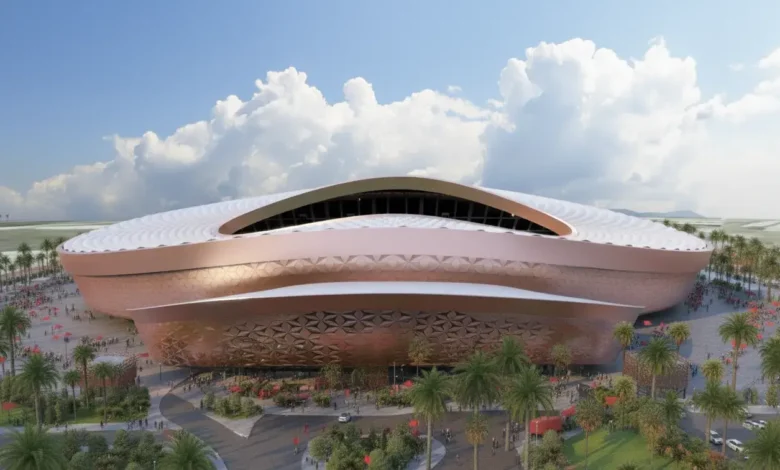
The Future Sports Complex of Fès: A Model of Environmental Excellence
The upcoming Sports Complex in Fès is set to meet exceptionally high environmental standards. According to the special specifications document related to the call for tenders, the design process must adhere to sustainability standards established by FIFA, aiming to transform this sports infrastructure into a high-performing facility that conserves resources and is better integrated with its environment.
The project particularly emphasizes the pursuit of "High Environmental Quality (HQE) Sustainable Infrastructure" certification. Environmental requirements must be considered from the design phase and continue throughout the construction and operation of the complex.
Key focuses of this initiative include eco-design, biodiversity preservation, responsible resource management, and enhancing user comfort. The companies tasked with the construction will be held to specific obligations regarding environmental performance and will be required to appoint a specialist in environmental certifications to oversee the compliance with these commitments.
The construction site will also adhere to a "Low-Nuisance Site Charter". This includes measures aimed at controlling erosion and sedimentation, managing waste, and monitoring air quality during construction.
On the energy front, the project aims for a reduction of at least 30% in energy consumption compared to standard designs. This performance will be achieved through the use of LED lighting, efficient heating, ventilation, and air conditioning (HVAC) systems, and by enhancing the building’s thermal envelope.
The complex will also incorporate a share of renewable energy, targeting between 5% and 10% of its total energy consumption. Furthermore, a centralized technical management system will monitor energy use and optimize the operation of various equipment.
Water management is another significant aspect of the project. The specifications call for a reduction of at least 40% in water consumption, primarily through the use of water-saving fixtures and the collection of rainwater and greywater. These resources can be reused for irrigation and other non-potable applications.
Adaptive measures for the rainwater drainage system are also planned to strengthen the complex’s resilience against the impacts of climate change.
Carbon footprint considerations are likewise integrated into the design. The project prioritizes the use of low-carbon materials, such as low carbon concrete, recycled reinforcement, and certain bio-based materials. Additionally, using local suppliers will help minimize transport-related emissions.
A lifecycle assessment of materials and construction methods is also planned to identify major sources of emissions and reduce the carbon incorporated into the infrastructure.
Furthermore, the project gives special attention to biodiversity and the complex’s integration into its urban environment. Efforts will be made to limit soil artificialization and enhance the site’s natural features. Sustainable accessibility will also be addressed through the development of public transport, pedestrian pathways, and bike lanes.
Waste management will follow a circular economy logic. Sorting, reuse, and recycling of materials will be prioritized, with strict traceability requirements for waste produced, recycled, or recovered during construction.
Beyond environmental performance, the future complex will also ensure favorable usage conditions. The specifications include requirements concerning thermal and acoustic comfort, indoor air quality, and the quality of spaces designated for spectators, players, and staff.
The infrastructure’s resilience against natural and climatic risks is another requirement of the project, which specifically takes into account extreme winds and the application of Moroccan anti-seismic regulations.
Through these various specifications, the Sports Complex in Fès aims to be more than just an infrastructure for hosting international competitions. The project aspires to blend modernization, energy performance, water conservation, a reduced carbon footprint, and user experience in anticipation of major upcoming sporting events, particularly the 2030 World Cup, which Morocco will co-host with Spain and Portugal.