ONHYM: Morocco Changes Approach to Value Its Subsoil
Critical minerals, copper, hydrocarbons, artificial intelligence, and geological data: ONHYM accelerates its transformation. Its evolution into a public limited company accompanies a more proactive strategy centered on derisking projects and attracting international investors.
Morocco is entering a new phase in optimizing its subsoil resources. The latest initiatives from the National Office of Hydrocarbons and Mines (ONHYM) indicate a shift in method: the focus is no longer solely on identifying resources, but on making Moroccan assets sufficiently documented and appealing to trigger investments.
The most recent signal came on October 7 with the agreement reached with Viridien. This global specialist in geoscience data will collaborate with ONHYM to develop an integrated understanding of Morocco’s sedimentary basins, both onshore and offshore. The goal is to better assess their potential and reduce the geological uncertainty that accompanies exploration operations.
This approach to “derisking” has become a central element of Morocco’s strategy. As knowledge of the subsoil advances, international companies gain important insights to guide their investment decisions.
Copper Takes Center Stage
A similar trend is emerging in the mining sector. A meeting on October 5 between ONHYM and KGHM Polska Miedź, one of the world’s major copper producers, focused on Morocco’s mineral potential and the opportunity to develop high-value projects.
No copper projects have been announced at this stage. However, the interest from a player of this magnitude comes against a backdrop where copper has become strategic for electrical networks, electric vehicles, renewable energy, and digital infrastructure.
Morocco is thus aiming to position its mining potential within new global value chains. The challenge is no longer merely about extracting a resource, but about attracting the necessary capital, technology, and industry partners to optimize its value.
Artificial Intelligence Enhancing Exploration
This ambition is also supported by modernizing exploration methods.
During the International Mining Congress 2026, ONHYM highlighted the use of hyperspectral imaging, airborne geophysics, and artificial intelligence. Over 50 promising targets have reportedly been identified thanks to hyperspectral work conducted in the Anti-Atlas region.
The principle is straightforward: by cross-referencing various data, potential mining areas can be more accurately targeted. This approach allows for the concentration of field campaigns and investments on the most promising targets.
Thus, digital tools are becoming a means of risk reduction, complementing traditional geological exploration.
A More Agile ONHYM
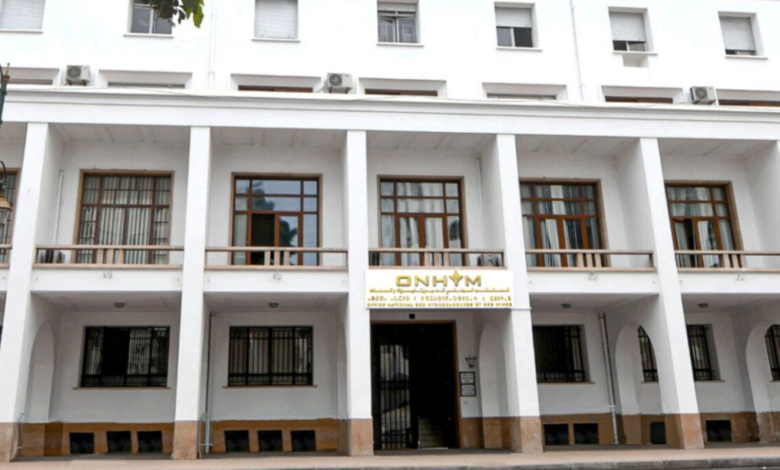
This new direction comes as the office changes its status. Its transformation into a public limited company represents one of the major institutional developments in the sector.
Transitioning to ONHYM-SA will provide the office with greater flexibility in its operations, partnerships, and asset valuation. This evolution makes sense in light of the new agreements and operations underway.
Indeed, the office possesses a significant mining heritage and continues to put certain assets on the market. The calls for tenders regarding Tiouli Ouest and Iboughardaine illustrate the intent to seek investors capable of transforming identified resources into industrial projects.
From Geological Potential to Industrial Value
In the gas sector, the same logic continues. The Atlantic Natural Gas Pipeline from Nigeria to Morocco is gradually entering a more operational phase following the signing of the intergovernmental agreement among the concerned states in July.
FEED studies have been completed, and reconnaissance campaigns along the route have been conducted. Financing and attracting investors are now critical challenges.
At the same time, ONHYM continues assessing the potential of Morocco’s basins, particularly in the Gharb Deep Offshore and the Zag basin.
This surge in initiatives outlines a new framework. Geological data, technology, international partnerships, mining assets, and hydrocarbons are now converging toward a single goal: transforming Morocco’s subsoil potential into investments and industrial value.
This is likely where ONHYM undergoes its most significant change. The office is no longer just seeking to understand what lies beneath Morocco’s soil; it is primarily focused on creating the economic conditions necessary for its valorization.