Kénitra: A New Project Aims for an Annual Production of 100,000 Tons of Materials for Electric Batteries
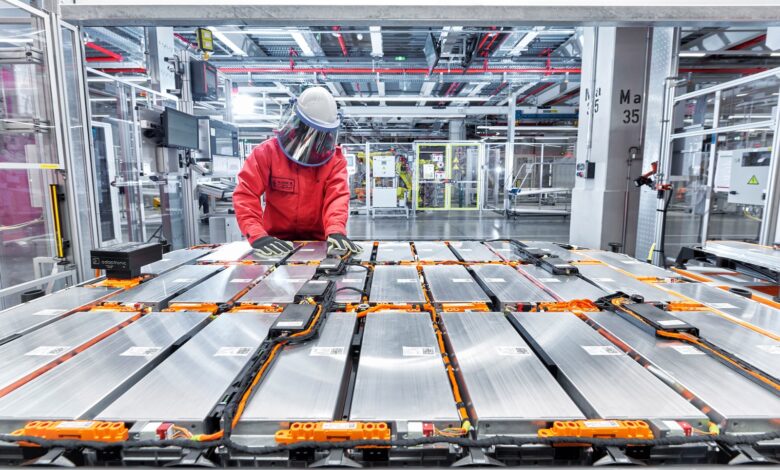
Kénitra Prepares to Strengthen Its Position in the Electric Vehicle Battery Industry in Morocco
Kénitra is gearing up to enhance its role in Morocco’s electric vehicle battery industry. PowerCo, a subsidiary of the German group Volkswagen dedicated to battery-related activities, has announced a joint project with Chinese company Gotion High-Tech to produce lithium iron phosphate (LFP), with a capacity that could reach 100,000 tons per year.
This project complements the evolving industrial ecosystem in Morocco, as investments gradually shift from automotive manufacturing and components to activities linked to electric mobility, particularly in batteries and the materials needed for their production.
According to information reported by Asharq Bloomberg, citing a PowerCo spokesperson, the project will be located in the Kénitra industrial zone as part of a long-term partnership. PowerCo will hold a 49% stake in the project, while Gotion High-Tech will control 51%, with both partners jointly managing its operations.
The spokesperson emphasized that this project is separate from other investments being pursued by Gotion in Kénitra. The majority of cathode material production is expected to be allocated to the joint ventures of both groups in Valencia, Spain, and Šurany, Slovakia.
This announcement comes as Gotion High-Tech is preparing substantial investments in Kénitra, with a total estimated value of around $6.5 billion. This project is among the largest initiatives dedicated to automotive batteries in Africa and the Middle East.
The first phase of this program is expected to commence production before the end of the year, thereby bolstering Kénitra’s role in the electric mobility value chain, from battery materials and components to finished products.
PowerCo cites Morocco’s existing infrastructure and industrial expertise, already established through Gotion High-Tech’s presence in Kénitra, as key factors in their decision. The partnership can leverage existing resources while taking advantage of the Kingdom’s competitiveness and proximity to European markets and significant automotive and industrial hubs on the continent.
This collaboration is also part of the strategic partnership established between Gotion High-Tech and Volkswagen since 2020, with the German manufacturer holding a stake in the Chinese battery maker.
PowerCo has not separately disclosed the amount of its investment in the new Kénitra project. However, the German group previously indicated that its contribution to the Kénitra and Šurany projects would reach approximately €470 million by 2030, with a stake of up to 49%, although the distribution of this amount between the two sites has not been specified.
Founded in 2022, PowerCo is wholly owned by Volkswagen and was established to develop the group’s battery activities and create an integrated presence across their entire value chain.
The new Moroccan project forms part of a broader wave of investments, particularly from China, in the battery sector and its components. Morocco aims to develop a complete industrial ecosystem around electric mobility.
Key projects include COBCO in Jorf Lasfar, along with investments from HAILIANG, SHINZOOM, and BTR Group, which are involved at various stages of the battery production chain.
These initiatives cover the production of cathode and anode materials, the manufacturing of battery electrodes and cells, as well as the recycling of used materials. They illustrate the gradual expansion of the Moroccan industry, traditionally focused on automotive production, into new segments linked to the transition to electric vehicles.
Morocco is building on a solid automotive industrial base, with a production capacity exceeding one million vehicles per year, alongside its proximity to the European market, its port network, and its logistical infrastructures.
As investments in the battery sector multiply, Kénitra and Jorf Lasfar are increasingly positioning themselves as major hubs within this industry. This evolution could enable Morocco to strengthen its local value chain, from battery materials and components to electric vehicles, while solidifying its role in global supply chains for electric mobility.