Citrus Fruits: Moroccan Production Jumps 25% in 2026, Exports Continue to Rise
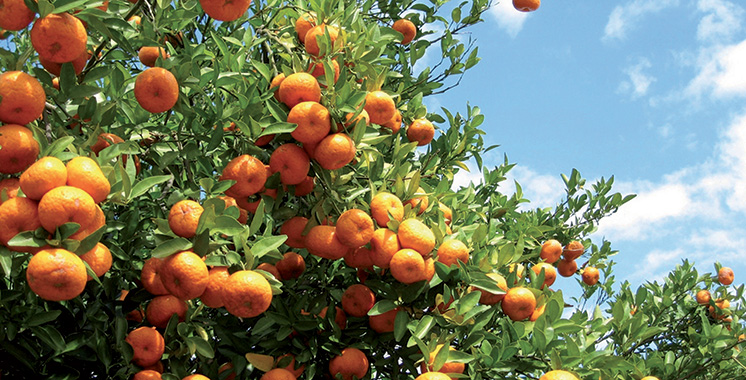
Morocco’s Citrus Sector Continues Growth in 2026
The Moroccan citrus sector is maintaining its growth momentum in 2026. Despite challenges such as water stress, rising production costs, and increasingly fierce international competition, the industry is showcasing a clear increase in production and reinforcing its presence in key export markets.
According to official data, the 2025-2026 campaign is expected to conclude with a national production estimated at 2.17 million tons, marking a 25% increase compared to the previous campaign.
Small Citrus Fruits Drive Growth
This performance is primarily driven by mandarins, clementines, and Nadorcott, with production expected to reach 1.15 million tons.
Oranges and lemons are also experiencing positive trends, albeit at a slower pace, confirming the rise of small citrus fruits in Morocco’s exports.
This development reflects investments made in recent years to improve yields, modernize orchards, and adapt crops to new climatic challenges.
Exports Remain Strong
International markets continue to be the main driver for the sector.
Exports of small citrus fruits are expected to reach nearly 550,000 tons, showing a slight increase compared to the previous campaign. The European Union remains the top customer for Moroccan producers, followed by Russia, the United Kingdom, Canada, and the United States.
As for orange exports, these are likely to stay around 85,000 tons, in a context characterized by intensified competition from Egyptian and Turkish producers.
Morocco Strengthens Its Presence in European Markets
The first half of 2026 has been marked by several notable commercial performances.
Morocco has become the leading supplier of mandarins to the United Kingdom, exporting over 71,600 tons, which marks a 20% year-on-year increase, surpassing Spain in this strategic market.
In Germany, Moroccan orange exports have also seen significant growth, reaching nearly 8,800 tons—four times more than during the same period last year.
These results illustrate the enhanced competitiveness of Moroccan citrus on European markets.
Modernization and Investments Boost Competitiveness
The sector’s performance is based on significant investments made throughout the value chain.
The modernization of packing stations, obtaining international health certifications, the development of water-efficient irrigation techniques, and the logistics infrastructure—especially around Tangier Med and Agadir—now enable Moroccan exporters to better meet the demands of international markets.
Ongoing Challenges for the Sector
Despite these encouraging results, several challenges continue to burden producers.
The scarcity of water resources in the agricultural basins of Souss-Massa, Gharb, and Berkane, the rising cost of agricultural inputs, and the increasing competition from countries such as South Africa, Egypt, Turkey, and Spain present significant issues for upcoming campaigns.
In response to these constraints, industry professionals are focusing on innovation, optimizing water use, and diversifying markets.
New Growth Perspectives
In the medium term, outlooks remain favorable for Moroccan citrus.
The opening of new markets in Africa, the Middle East, and Asia, the development of processed products such as citrus juices, as well as the opportunities provided by the African Continental Free Trade Area (AfCFTA) are expected to support export growth.
Beyond their economic significance, citrus fruits represent a strategic sector for Morocco, contributing to job creation, foreign currency revenues, and the international visibility of Made in Morocco.