Dams: Morocco Launches a 2.1 Million Dirham Project in Four Provinces
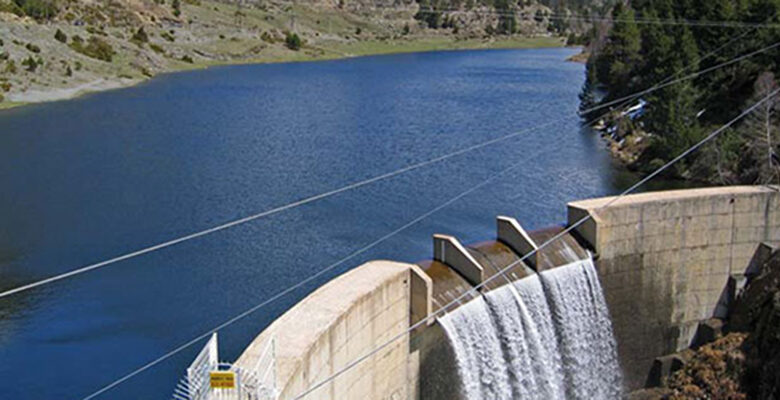
Morocco Advances Efforts to Enhance Hydraulic Infrastructure Maintenance
Morocco is continuing its efforts to strengthen the upkeep and maintenance of its hydraulic infrastructure. A contract estimated at 2.1 million dirhams has just been opened to address several structures spread across the provinces of Azilal, Béni Mellal, Settat, and Safi.
This operation specifically targets six dams, one embankment, and two channels, encompassing a range of strategic infrastructures within the Oum-Er-Rbia basin and along the Atlantic coastline.
Six Dams Included in the Project
The program focuses on civil engineering works associated with the dams of Al Massira, Ahmed El Hansali, Moulay Hassan I, Sidi Driss, Timi N’outine, and Agadir Bouachiba. These infrastructures play a crucial role in mobilizing, storing, and managing water resources in various regions of the central part of the Kingdom.
By consolidating these different sites into a single procedure, the initiative allows for the coverage of multiple hydraulic works distributed over a vast geographical area, from inland regions to the Atlantic coast.
An Intervention Extending to Safi
In Safi, the contract also includes the Safi embankment, as well as two water transfer and circulation infrastructures: the Rocade canal and the upstream canal. The program thus brings together various types of hydraulic works, ranging from reservoirs and dam-related facilities to protection and water transfer infrastructures.
This configuration highlights the territorial scope of the operation, which involves a total of four provinces and numerous components of the regional hydraulic system.
A 2.1 Million Dirham Contract
The estimated budget allocated for this operation amounts to 2.1 million dirhams. The awarding of the contract will take place after examining the bids submitted at the end of the bidding process, which is anticipated to close at the end of September.
Through this initiative, Moroccan authorities are advancing the maintenance of several major hydraulic infrastructures at a time when preserving these structures and optimizing water resource management are strategic challenges for the Kingdom.