Morocco Accelerates Mobilization of International Funding for the $26 Billion Africa-Atlantic Gas Pipeline
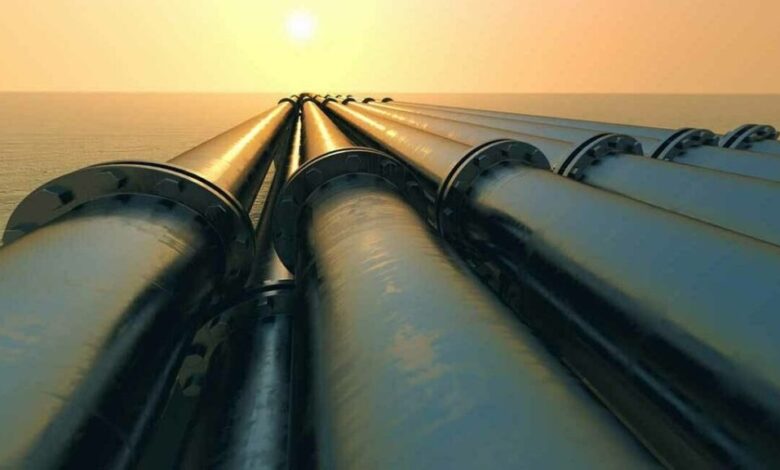
Morocco is continuing its efforts to secure the necessary funding for the Africa-Atlantic Gas Pipeline (AAGP), one of the largest energy projects on the African continent. This strategic infrastructure aims to enhance regional energy security and create a new export corridor for African gas to European markets.
According to Bloomberg, the Kingdom is currently engaged in discussions with several international financial institutions, including the Export-Import Bank of the United States (EXIM Bank) and the World Bank, to gather the resources required to finance this project, which is estimated to cost $26 billion.
The project’s strategic importance has grown amid global energy market changes and tensions around gas supplies. It is viewed as a viable alternative that could help diversify Europe’s energy sources while strengthening energy ties between Africa and Europe.
The pipeline will stretch approximately 6,800 kilometers, connecting Nigeria’s gas fields to Morocco while traversing several West African countries. It will then link to the Maghreb-Europe Gas Pipeline, facilitating the transport of natural gas to European markets through existing infrastructure.
The project is gaining increasing political and regional support. The Economic Community of West African States (ECOWAS) has already approved the intergovernmental agreement governing its implementation, confirming the commitment of the involved countries to advance this strategic initiative.
Beyond its role in supplying Europe, the pipeline aims to enhance economic integration among West African countries, improve access to natural gas in the traversed states, and contribute to regional and international energy security.
According to data from the National Office of Hydrocarbons and Mines (ONHYM), the pipeline is expected to have a transport capacity of 30 billion cubic meters of gas per year. A portion of this capacity will be allocated to meet Morocco’s domestic demand, while the remainder will be exported to Europe.
Despite the progress made on political and diplomatic fronts, the effective launch of the project remains contingent on finalizing the financial structure as well as addressing technical and logistical challenges associated with crossing multiple countries. The project will also need to adapt to ongoing developments in the global energy sector, characterized by a surge in investment in low-carbon energy sources.
According to the current timeline, construction is set to commence in 2028, with launch and initial gas deliveries projected for around 2031, contingent upon securing financing and completing necessary procedures.