
Morocco: Milling Industries Blend Local and Imported Wheat to Maintain Flour Quality
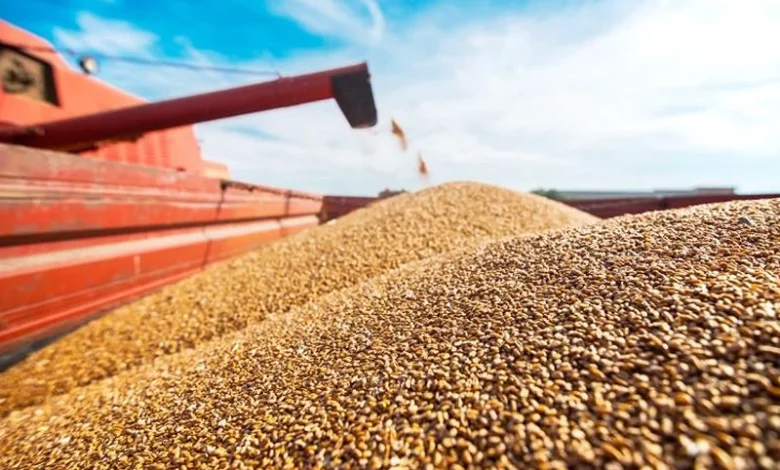
As Morocco aims to reduce its dependence on wheat imports with a markedly improved harvest after several years of drought, industry professionals are facing multiple challenges. With local wheat’s protein content deemed insufficient and delays in harvesting operations, flour mills are compelled to blend local wheat with imported grains to meet the quality standards required for bread production.
An Abundant Harvest Confronted by Technical Constraints
The 2025-2026 cereal campaign looks particularly promising for Morocco. The Kingdom anticipates a production of nearly nine million tons of cereals, a significant portion of which will be soft wheat, nearly double the levels recorded in recent years.
Despite this substantial improvement, industry professionals believe several obstacles hinder the optimal valorization of domestic production. Delays in harvesting, labor shortages, weather conditions, and aging agricultural equipment complicate collection operations in various regions of the country.
Protein Quality Below Millers’ Requirements
Beyond logistical issues, the quality of local wheat is currently the primary concern for industry stakeholders. According to milling representatives, the average protein content of Moroccan wheat stands at about 10.5%, whereas the minimum threshold required for baking flour production is set at 11.5%.
This situation is largely attributed to reduced usage of nitrogen fertilizers, whose prices have surged significantly in recent years due to geopolitical tensions and disruptions in international markets.
Relying on Imported Wheat to Ensure Flour Quality
In light of this quality deficit, sector operators have adopted an essential solution: blending local wheat with imported grains that have a higher protein content.
This practice enables mills to maintain the quality standards needed for flour production, thereby meeting the demands of bakers and the expectations of consumers.
A Policy to Support Domestic Wheat
To promote the sale of local harvests, Moroccan authorities have implemented customs duties of up to 135% on wheat imports during June and July. This measure aims to encourage the marketing of domestic production before imports resume.
The government has also set a target to collect at least 1.2 million tons of local wheat before permitting further foreign purchases starting in August.
Aspirational Goals for the Cereal Sector
However, industry professionals believe this target may be challenging to achieve. Several factors are slowing down collection operations, including the retention of a portion of harvests by small farmers and difficulties in transportation to storage centers.
Additionally, the lack of homogeneity among cultivated varieties complicates sorting and processing operations, as well as necessitating the storage of grains for several weeks before milling.
Morocco Remains Dependent on the International Market
Despite ongoing efforts to bolster domestic production, assessing actual import needs remains difficult. The Kingdom continues to be one of the world’s leading wheat importers, relying on several international suppliers.
In the last campaign, France accounted for nearly 70% of Morocco’s soft wheat imports, ahead of Argentina, Russia, and Germany.
In this context, industry stakeholders assure that priority will be given to Moroccan wheat while still maintaining access to international markets to ensure a balance between quality, availability, and price competitiveness.