The ANP Officially Becomes Ports of Morocco SA
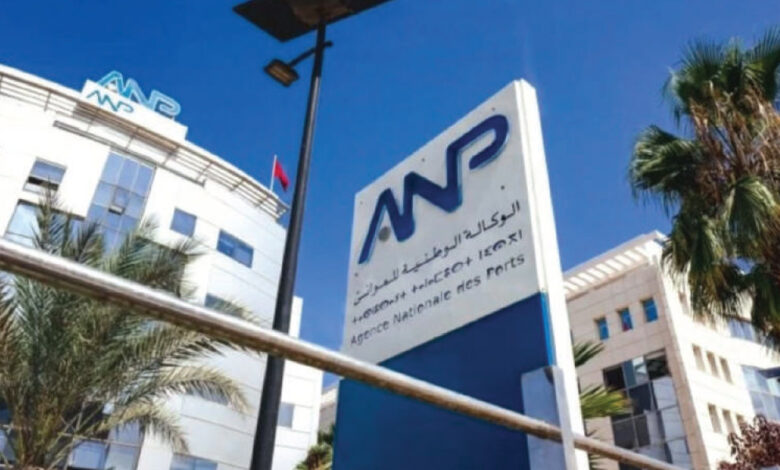
The transformation of the National Ports Agency into a public limited company is now complete. Named “Ports of Morocco SA,” the new entity remains wholly owned by the state and has been granted expanded missions to modernize and enhance the competitiveness of the Moroccan port sector.
A significant milestone has been reached in the reform of the Moroccan port sector. The law 34.25, which converts the National Ports Agency (ANP) into a public limited company under the name “Ports of Morocco SA,” has officially come into effect following its publication in the Official Bulletin.
This change primarily involves the legal status and governance of the former agency. The capital of the new company is entirely and exclusively owned by the state, thus ensuring the preservation of public ownership.
A New Company to Manage and Develop Ports
Ports of Morocco SA takes over the assets, rights, and obligations of the ANP, along with its contracts, agreements, partnerships, and authorizations. Existing commitments made with various partners and operators will not be affected by this legal transformation.
The new company will retain responsibility for managing and developing the ports within its scope. However, there are two important exceptions: the ports located in the Tanger-Mediterranean Special Development Zone and the site of the Marchica Lagoon will not fall under its remit.
Revised Governance with Independent Directors
The transformation into a public limited company is also accompanied by a new governance structure.
Ports of Morocco SA will be overseen by a board of directors, including independent directors. This board will be responsible for setting port fees and tariffs, as well as ship berthing fees and charges on goods, following consultations with the Ministry of Equipment and Water.
This evolution aims to bring greater flexibility to the management of port activities while maintaining public service missions.
Expanded Missions to Improve Port Performance
Beyond merely managing the infrastructure, Ports of Morocco SA will possess broader powers regarding the organization and development of port activities.
The company will be able to determine which activities can be conducted at the ports, define the number of authorizations and concessions to be granted, and enter into agreements with relevant operators.
It will also be able to issue operating permits and authorize the temporary occupation of public port lands. Additionally, the company may directly operate certain activities if they have not been assigned to a concessionaire or an authorization recipient.
Enhanced Role in Digital Transformation
This reform comes in the context of modernizing Moroccan port infrastructure.
The new entity will be tasked with contributing to the development of smart ports, the digital transformation of activities, and the improvement of economic and logistical performance.
The law also includes a focus on the protection of the environment and sustainable development, two critical areas for major international ports.
A Reform Aimed at Enhancing Competitiveness
The transition from ANP to a public limited company is part of Morocco’s broader policy to reform public establishments and enterprises.
During the legislative review, the government emphasized its commitment to improving management quality and providing greater flexibility to enhance the agency’s efficiency, while safeguarding the acquired rights of ANP employees.
This transformation occurs as Morocco seeks to solidify its role as a logistics hub between Africa, Europe, and the Mediterranean, with port infrastructure set to support the growth of foreign trade and the Kingdom’s significant economic projects.
Towards a New Era for Moroccan Ports
With the establishment of Ports of Morocco SA, the Kingdom is evolving the institutional management model of its ports while maintaining public ownership.
The new structure now possesses a legal framework that enables it to enhance the economic and logistical performance of the infrastructure, develop concessions and partnerships, and accelerate the digital transition towards smarter and more sustainable ports.
This transformation could serve as a crucial lever to support Morocco’s logistics ambitions and strengthen the competitiveness of its port infrastructure on both regional and international scales.