Foreign Trade: Why Can’t Morocco Break Free from the Oil Stranglehold?
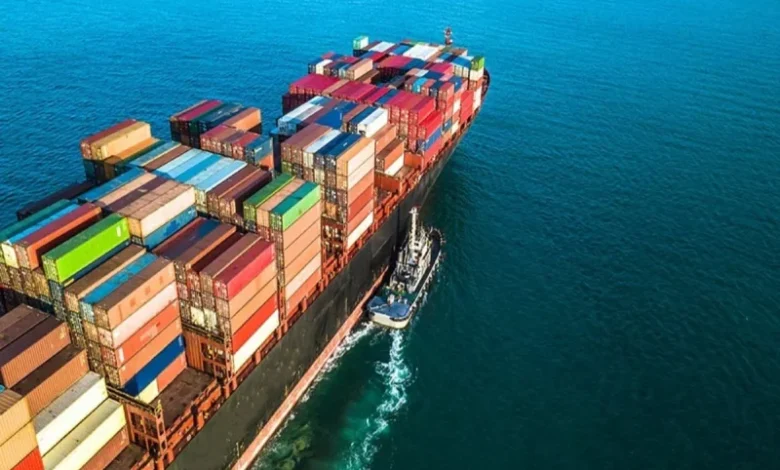
Industrial Exports Grow, Foreign Currencies Surge, Yet the Gap Widen
Beneath the oil bill lies the very structure of the external balance at stake.
For a long time, an increasing trade deficit provided a clear diagnosis: overpriced products and lost market share. However, the Morocco of 2026 muddles this analytical framework. By the end of September, the deficit neared 324 billion dirhams, representing an over 25% increase year-on-year. This occurred despite double-digit growth in exports driven by the automotive and aerospace sectors, alongside a more than 12% rise in tourism revenues. The exporting industry is not to blame. The imbalance is determined by the other side of the balance sheet.
A Bill That Doesn’t Prepare for the Future
Energy imports reached 112 billion dirhams in nine months, marking a 37% rise. Bank Al-Maghrib anticipates 138 billion dirhams for the year—a 28% increase. This drift weighs more heavily than the total gains from exports and follows a distinct logic.
Not all imports are created equal. Equipment, inputs, and components feed the productive apparatus. They support the increase in industrial capacity and can ultimately generate new exports. However, hydrocarbons adhere to a different logic. Essential for the functioning of the economy, they represent a recurring expense heavily influenced by international prices. While they enable production and transportation, they don’t directly contribute to enhancing future productive capacities. When prices soar, the external bill increases, often without a corresponding gain in production or competitiveness.
External Revenues Cushion the Blow
The deficit in merchandise trade finds some of its counterbalance in service surpluses and remittances from Moroccans residing abroad. These revenues act as an essential buffer for the Moroccan economy. However, their growth should not obscure a fundamental difference: they do not necessarily reflect a strengthening of the country’s export productive capacity. Their evolution depends notably on the economic conditions in host countries for Moroccan expatriates, tourism flows, and the competitiveness of Morocco as a destination. While they contribute to balancing external accounts, they do not replace the need for a structural transformation of the productive apparatus.
Electrons vs. Molecules
Morocco’s investments in renewable energy are significant, reducing the country’s reliance on imported electricity and gas. Yet, this approach only addresses part of the bill. Diesel, gasoline, and fuel oil feed road transport, certain industries, and agriculture—applications where electricity does not directly substitute for hydrocarbons. Increasing the production of green electrons does not automatically decrease the imports of hydrocarbons.
The challenge now is to tackle two tasks simultaneously: to continue developing renewable capacities and to accelerate their utilization to lessen dependency on fossil energies. This requires electrifying suitable applications, developing public transport, improving industrial energy efficiency, and adapting electrical networks. Furthermore, green hydrogen and synthetic fuels should primarily target sectors that are difficult to decarbonize through direct electrification. Increasing renewable electricity production only reduces the oil bill if that electricity effectively replaces imported fuels. This transformation necessitates additional investments, but its benefits may manifest over different time horizons, depending on the relevant applications and infrastructures.