Morocco-Indonesia: A Trade Agreement Expected by 2027
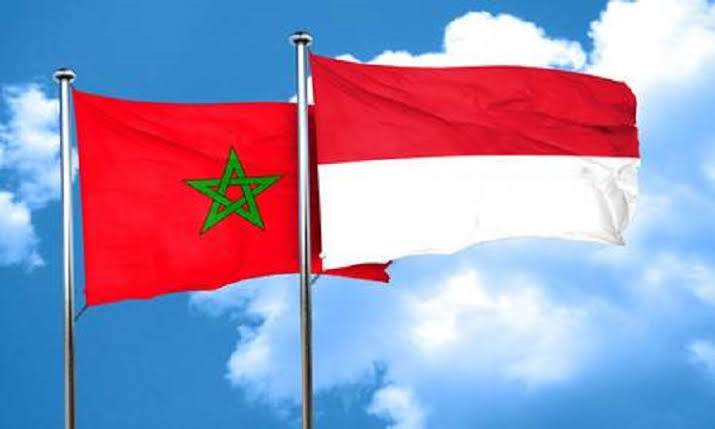
Morocco and Indonesia are reigniting their trade negotiations with the ambition of reaching an agreement by 2027. Jakarta has set this timeframe to finalize the prospective trade accord between the two nations, following a hiatus in discussions that began several years ago.
The objective was announced on Friday, August 28, by the Indonesian Ministry of Trade, right after the resumption of exchanges with Rabat.
Following a videoconference meeting with Omar Hejira, Morocco’s Secretary of State for Foreign Trade, Indonesian Deputy Minister of Trade Dyah Roro Esti Widya Putri indicated that both parties now need to establish a work schedule and resume negotiations based on draft texts that have already been developed.
Jakarta Aims to Accelerate Negotiations with Rabat
The forthcoming steps will specifically focus on concessions and the conditions for accessing the markets of both countries.
Jakarta has expressed its willingness to work constructively with Rabat to expedite discussions and transform the political relations between the two countries into concrete and sustainable economic benefits.
For Indonesia, several products still possess significant potential in the Moroccan market. The ministry specifically mentioned anhydrous ammonia, crude and processed palm oil, semi-finished steel products, and frozen shrimp.
Conversely, Indonesia views Morocco as a strategic supplier of various raw materials and industrial products, particularly fertilizers and aluminum.
Trade Volume of $235 Million by 2025
Trade between Morocco and Indonesia reached $235 million in 2025, equivalent to approximately 2.17 billion dirhams.
The volume of bilateral trade grew by 33% year-on-year, according to data provided by the Indonesian Ministry of Trade.
Indonesian exports to Morocco amounted to $154.9 million, nearly 1.43 billion dirhams. Meanwhile, imports from Morocco to Indonesia hit $80.1 million, approximately 741 million dirhams.
As a result, Indonesia recorded a trade surplus of nearly $74.8 million, or about 692 million dirhams.
Coffee, Oils, and Tires from Indonesia
Indonesian products exported to Morocco are relatively diverse.
Jakarta supplies the Moroccan market with coffee, new tires, animal and vegetable oils and fats, margarine, food preparations, and coal.
On the other hand, Indonesia primarily imports from Morocco mineral and chemical fertilizers, phosphate fertilizers, raw aluminum, and women’s clothing.
This trade structure highlights the significance of raw materials and industrial products in the commercial relationship between the two countries.
Morocco: A Gateway to Africa and the Mediterranean
Jakarta also perceives Morocco’s geographic position as a major asset for its businesses.
According to the Indonesian Deputy Minister of Trade, Morocco can serve as a platform for Indonesian companies to access several African, European, and Mediterranean markets.
Conversely, Indonesia could act as an entry point for Moroccan companies aiming to expand their exports to ASEAN and the Indo-Pacific region.
Despite the recent growth in trade, significant potential remains largely untapped. In 2025, Morocco was only the 74th destination for Indonesian exports.
Nevertheless, Indonesian sales to Morocco have increased at an average rate of 4.95% per year between 2021 and 2025.
Negotiations Launched in 2018
The trade negotiations between Rabat and Jakarta are not a new development.
The two nations began discussions on a preferential trade agreement on June 28, 2018, in Fez. A significant portion of the text was already agreed upon before the interruption of the process.
According to the Indonesian Ministry of Trade, both parties subsequently chose to concentrate their efforts on cooperation in the area of halal certification, before returning to the trade agenda.
A significant advance was made on May 20, 2026, with the signing in Jakarta of a mutual recognition agreement for halal product guarantees.
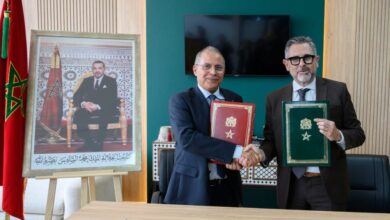
The agreement was concluded between the Indonesian Halal Product Assurance Agency and the Moroccan Institute of Standardization (Imanor).
Halal Certification Paves the Way for a New Phase
Following this agreement, Morocco expressed its desire to see trade negotiations resume in early 2027.
Jakarta has now gone further by directly setting 2027 as the target for completing the trade agreement.
Subsequent discussions should, therefore, define the negotiation timeline, build upon already developed texts, and crucially establish mutual market access conditions.
If this objective is achieved, the future agreement could add a new dimension to the economic relations between Morocco and Indonesia, facilitating the exchange of goods and opening new opportunities for businesses in both countries.