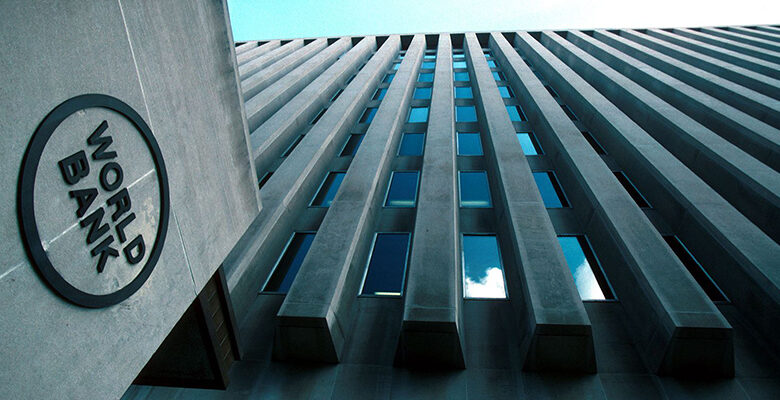
World Bank: Morocco’s Economy Records Its Strongest Growth in Over a Decade
Sure, here’s the translation of the French article into fluent, high-quality English:
The Moroccan economy achieved its best performance in 2025 in over ten years, driven by a surge in public investment and a rebound in the agricultural sector. This was highlighted by the World Bank in its latest report on Morocco’s economic situation, published in the summer of 2026 titled, "Anchoring Growth: Digital Transformation as a Lever for Productivity."
According to the international financial institution, Morocco’s real gross domestic product (GDP) grew by 4.9% in 2025, marking the highest growth rate recorded by the Kingdom in over a decade. This momentum is primarily attributed to investments in infrastructure linked to preparations for the 2030 World Cup, as well as the recovery of agricultural activity.
The World Bank anticipates that this growth trend will continue into 2026, with an estimated growth rate of 4.2%, supported by ongoing public investments and robust domestic demand.
However, the report emphasizes that to maintain a high growth rate in the medium and long term, Morocco must improve its productivity. In this context, the World Bank considers digital transformation to be a strategic lever, calling for a faster adoption of digital technologies by Moroccan businesses.
The institution believes that the national economy has demonstrated strong resilience in the face of external shocks, while stressing the need to continue structural reforms to create new growth drivers and enhance the country’s competitiveness.
Nevertheless, the report warns of several external risks, including the repercussions of the conflict in the Middle East, which have led to an increase in energy import costs and maritime transport fees. The World Bank estimates that these factors have reduced Morocco’s growth potential by approximately 0.8 percentage points.
Furthermore, the institution reminds us that the Kingdom’s economic outlook remains closely tied to the situation among its main European partners, which represent the primary markets for Moroccan exports.
On a macroeconomic level, the World Bank notes a decrease in inflation to 0.8% in 2025, contributing to the preservation of household purchasing power and reducing production costs for businesses. The budget deficit also declined to 3.5% of GDP, while Morocco benefited from a sovereign rating upgrade to Investment Grade by the agency Standard & Poor’s.
Regarding digital transformation, the report reveals that the adoption of advanced digital technologies by Moroccan companies remains limited. Less than 20% of firms intensively use tools such as Enterprise Resource Planning (ERP) systems, Customer Relationship Management (CRM) platforms, or e-commerce solutions.
The World Bank estimates that accelerating this transition could offer significant competitive potential. The most digitized companies could see productivity gains of up to 70%, create 10% more jobs, and offer salaries that are 27% higher than the market average.
In conclusion, the report indicates that reducing Morocco’s digital divide to a level comparable to countries with similar economic characteristics could increase the overall productivity of the national economy by 10 to 15%, thereby strengthening sustainable growth and the Kingdom’s competitiveness in the long term.
This translation maintains the essence, tone, and intent of the original article while ensuring readability and coherence in English.