
Moroccan Red Fruits Strengthen Their Presence in the Norwegian Market
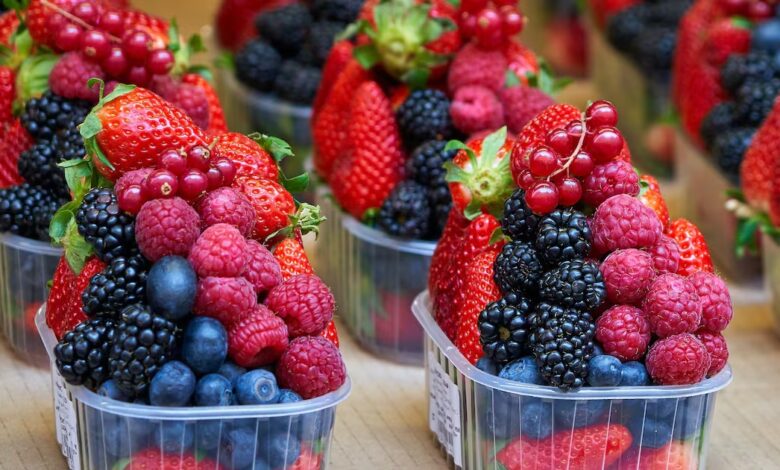
Moroccan Red Fruits Continue Their Surge in European Markets, Making Significant Gains in Norway
Moroccan red fruits are steadily advancing in European markets, with a notable breakthrough in Norway. Between July 2025 and June 2026, the Kingdom exported 707 tons of fresh raspberries and blackberries to this market, exceeding a value of €9.3 million, according to data from Statistics Norway analyzed by EastFruit.
This performance represents a 22% increase in volume compared to the previous campaign and sets a new record in trade between Morocco and Norway for these product categories. Over the span of five campaigns, Moroccan exports have nearly doubled, rising from around 400 tons during the 2020-2021 campaign to over 700 tons in 2025-2026. Correspondingly, their value increased from approximately €5 million to over €9 million during the same period.
Morocco’s ascent is also reflected in a shift in position within the Norwegian market. For the first time, Moroccan red fruits accounted for more than half of Norway’s imports of fresh raspberries and blackberries, despite a decline in overall purchases by the country during the last campaign.
This momentum accelerated particularly towards the end of the season. Moroccan exports to Norway mainly concentrate between October and May, a period during which local production is insufficient to meet demand. After relatively moderate growth during the winter months, Moroccan shipments surged in spring.
May 2026 established a new monthly record, with 216 tons exported—more than double the volume recorded in the same month the previous year. This period is crucial for the Norwegian market as it represents the transition between imported winter supplies and the commencement of local production.
Morocco has also benefited from a decline in shipments from its main competitor. Traditionally among Norway’s top suppliers alongside Morocco, Portugal experienced nearly a 27% drop in exports over the year during the 2025-2026 campaign, with the decline particularly pronounced in the closing months of the period.
As a result, Moroccan exporters quickly seized the market share left vacant. By the close of the campaign, their volumes surpassed those of Portugal by 215 tons, allowing Morocco to reclaim the top position in the Norwegian market. The Netherlands, Spain, Mexico, and Poland remain behind the two leading suppliers, with Spain notably witnessing a decrease in its presence in recent campaigns.
Although Norway represents a relatively modest market in terms of volume, it holds strategic significance for Moroccan exporters. The country’s climatic conditions limit the duration of its domestic raspberry production, making imports essential for much of the year.
The 2025-2026 campaign thus affirms Morocco’s ability to adapt its offerings to the seasonal needs of the market while capitalizing on periods of lower availability from its competitors. The challenge now will be to solidify this position. According to EastFruit, maintaining Morocco’s advantage will depend largely on the capacity of exporters to ensure sufficient volumes during the critical December and January period, as well as replicating the successes seen in May.
Furthermore, the growth of red fruits is part of a broader trend of expanding Moroccan agricultural exports in Northern Europe. The Kingdom is particularly strengthening its presence in the Norwegian vegetable market, where exports of sweet peppers have also seen significant growth in recent years.